
Having dedicated my career to the AI talent sector, I've had a front-row seat to the remarkable transformation happening at the intersection of artificial intelligence and healthcare. What began as experimental technology in research labs has evolved into mission-critical infrastructure that's revolutionizing patient care across the globe.
As a specialized headhunter in the AI space, I've personally seen and placed AI engineers at healthcare organizations ranging from nimble startups to industry giants. Through this work with healthcare companies and AI healthcare startups, I've noticed something striking: while the demand for healthcare AI talent has exploded, most organizations struggle to find, evaluate, and attract the right people for these specialized roles.
That's why I created this comprehensive report. It brings together everything my team and I have learned from years of working with AI innovators in the healthcare sector. Whether you're building your first AI team from scratch or expanding your existing capabilities, this resource will give you the insider knowledge to navigate this complex landscape.
I hope you find this report valuable, and if you have any questions about your specific healthcare AI recruitment challenges, I'm always happy to chat.
What You'll Find in This Comprehensive Report
This in-depth guide explores the healthcare AI talent landscape from multiple angles, equipping recruiters, hiring managers, and AI Healthcare Startup Founders with actionable insights to build winning teams. In the sections below, you'll discover:
-
Industry Context & Market Overview: The explosive growth of AI in healthcare (projected to reach $500 billion by 2032) and the forces driving this transformation.
-
Use Case Deep Dive: How AI is revolutionizing healthcare across diagnostics, predictive analytics, treatment delivery, and operational efficiency—with real-world examples and demonstrated ROI.
-
Technical Skills & Requirements: The essential AI frameworks, tools, and domain knowledge that make healthcare AI engineers successful, from deep learning to regulatory compliance.
-
Talent Landscape Analysis: Key roles in clinical AI, biopharma, wearable tech, and hospital operations.
-
Top Talent Sources: Leading universities, companies, and academic programs producing healthcare AI specialists, including Stanford's AIMI, Harvard's AIM program, and emerging specialized degrees.
-
Recruiting Strategies: Practical approaches for engaging healthcare AI professionals through conferences, communities, academic partnerships, and targeted outreach.
How to Use This Report
Whether you're building a healthcare AI team from scratch or expanding your existing capabilities, this report provides a comprehensive blueprint for success. Here's how to get the most value based on your specific needs:
For Talent Acquisition Teams and Recruiters:
- Start with Section 4 (Talent Landscape Analysis) to understand the key roles and team structures in healthcare AI
- Then explore Section 6 (Recruiting Strategies & Talent Sources) for practical approaches to sourcing and engaging candidates
- Use the technical skills breakdowns throughout the report to refine your screening criteria and interview questions
For Healthcare Executives and Innovation Leaders:
- Begin with Section 1 (Industry Context) and Section 2 (Use Cases) to understand how AI is transforming healthcare
- Review Section 3 (Technical Skills & Requirements) to appreciate the specialized knowledge needed when building teams
- Use the real-world examples and ROI metrics as benchmarks when developing your AI strategy
For AI Healthcare Startup Founders:
- Pay special attention to the team structure examples throughout Section 5 to inform your hiring roadmap
- Reference the university partnerships and talent sources in Section 6 to build your recruitment pipeline
- Use the regulatory and compliance information to ensure your team has the right mix of technical and domain expertise
This report can serve as both a quick reference guide and an in-depth resource. Bookmark it to revisit specific sections as your recruitment needs evolve, share it with your talent acquisition team for alignment, and use it as a foundation for developing your own healthcare AI talent strategy.
Below is the full research report on the healthcare AI talent landscape and recruiting strategies. For questions or to discuss your specific healthcare AI talent needs, contact our team at mark@aita.co.
Section 1: AI Healthcare Industry Overview
The global healthcare sector is a massive and vital part of the world economy, with spending reaching $9.8 trillion (10.3% of global GDP) as of 2021 (Health spending takes up 10% of global GDP. Can tech reduce those costs – and improve lives? | World Economic Forum). Despite this investment, health systems face critical challenges – costs are rising faster than outcomes are improving, populations are aging, and chronic diseases are more prevalent than ever. For example, factors like an ageing populace, a surge in chronic conditions (e.g. diabetes, heart disease, cancer), workforce shortages, and administrative inefficiencies are straining care delivery. A shortfall of ~10 million healthcare workers is projected by 2030, making it imperative to find new ways to deliver quality care efficiently.
Key Trends & Challenges: Healthcare providers and policymakers are urgently seeking solutions to improve patient outcomes and operational efficiency while reining in costs. There is a push toward value-based care models and preventive care, yet progress is slow due to legacy processes and resource constraints. Technology – and specifically artificial intelligence (AI) – has emerged as a transformative force to address these pain points. AI can ingest vast medical data and uncover patterns or predictions that humans might miss, offering improvements in diagnostic accuracy, personalized treatment, and automation of routine tasks. Indeed, international forums emphasize that technologies like AI could engage people in preventative care, automate routine processes, and support a shift to value-based care. Early examples bear this out: AI-powered systems are already reducing diagnostic errors, optimizing hospital operations, and extending care access in underserved areas.
Market Size & AI’s Role: Reflecting these possibilities, the AI in healthcare market itself is expanding exponentially. In 2016 the sector was barely $1 billion; by 2023 it swelled to $22–32 billion ( 50+ AI in Healthcare Statistics 2024 · AIPRM ). One analysis projects it will reach nearly $500 billion globally by 2032 (43% CAGR) (AI in Healthcare Market Size & Share | Growth Forecast, 2032). This explosive growth is fueled by both technological advances and urgent needs: improved computing power (e.g. GPU-accelerated deep learning), increasing healthcare data availability (from electronic health records and medical imaging to wearables), and heavy investment from both governments and industry. Major tech players like Amazon, Microsoft, NVIDIA, and Alphabet (Google) have entered the health AI space, and hundreds of startups are innovating in niches from digital diagnostics to drug discovery. Crucially, regulators are also on board – the U.S. FDA has authorized 950+ AI/ML-enabled medical devices as of 2024, up from just a handful in 2015 (AI-based Medical Devices | FDA’s Change Control | PatentNext).
Figure 1 below illustrates the sharp rise in FDA-cleared AI health solutions over the past decade, underscoring how AI is rapidly becoming integrated into healthcare practice:

(AI-based Medical Devices | FDA’s Change Control | PatentNext) Figure 1: Explosion in FDA authorizations for AI-driven medical devices (software).
The number of AI/ML-based devices cleared per year grew from single digits before 2015 to over 200 in 2022 and 2023, indicating accelerating regulatory acceptance of AI in clinical settings.
In this context, AI is viewed as a key enabler for healthcare transformation. By leveraging advanced algorithms on big health data, AI systems can augment human clinicians – improving diagnostic accuracy, recommending optimal treatment plans tailored to individual patients, and streamlining administrative workflows. The sections below provide a deep dive into how AI is solving top healthcare problems, the technologies and skills powering these solutions, how data is handled in health AI projects, and the current landscape for talent and organizations in this domain.
Section 2: How is AI being applied in Healthcare?
AI is being applied to some of the toughest problems in healthcare, often with impressive results. Below we explore major use case categories – from diagnostics to operations – along with real-world examples, methodologies, and outcomes.
1. AI for Diagnostics & Medical Imaging
One of the most mature and impactful use cases for AI in healthcare is in diagnosis, especially using medical images. Convolutional neural networks (CNNs), a class of deep learning models excel at image recognition, have been repurposed to interpret radiology scans, pathology slides, ophthalmology images, and more with high accuracy. These AI models analyze images pixel by pixel to detect subtle patterns of disease.
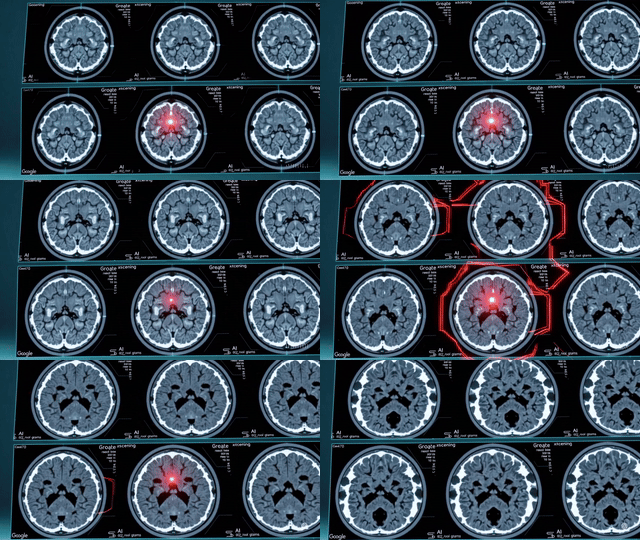
- Radiology: AI algorithms can review X-rays, CTs, and MRIs to flag abnormalities such as tumors, fractures, or infections. In breast cancer screening, for example, a deep learning model developed by Google was shown to outperform radiologists in reading mammograms, catching cancers the humans missed while also reducing false alarms (Can Google’s AI can detect breast cancer better than your radiologist? | Mastercard Newsroom). In a UK-US study published in Nature, the AI system cut false negatives (missed cancers) by ~9% and false positives by ~5–9%, an improvement that can save lives through earlier detection. These results have led to deployment: the technology has been licensed for clinical use in screening services starting in 2024. Another success story is IDx-DR, an AI for diabetic retinopathy screening. In a pivotal trial with 819 patients, IDx-DR demonstrated 87% sensitivity and 90% specificity in detecting referable diabetic eye disease, matching expert ophthalmologists (Running IDx through its trials | Carver College of Medicine). It became the first FDA-approved fully autonomous AI diagnostic device in 2018, now helping primary care clinics catch eye disease early without requiring a specialist.
- Pathology: Digital pathology – scanning microscope slides of tissue biopsies – produces gigapixel images that AI can analyze for cancerous cells. AI models (often CNN-based) are used to assist pathologists in identifying cancer in slides (e.g. prostate or breast biopsies), counting cells, and grading tumors. In one study, an AI system achieved accuracy on par with expert pathologists for detecting metastatic breast cancer in lymph nodes, reducing oversight errors and speeding up slide review (as pathologists believe, these tools can significantly improve diagnostic consistency – 80% of pathologists in a survey said AI will boost life expectancy by improving diagnoses ( 50+ AI in Healthcare Statistics 2024 · AIPRM ).
- Dermatology: Skin lesion classification is another area: CNNs trained on tens of thousands of skin images can differentiate malignant melanoma from benign moles. A Stanford group showed an AI that could classify skin cancers at dermatologist-level accuracy, enabling potential smartphone apps for early screening in primary care or remote settings. (Can Google’s AI can detect breast cancer better than your radiologist? | Mastercard Newsroom)
These diagnostic AIs use convolutional neural networks (CNNs) and image processing techniques as their core methodology. The networks learn from large labeled datasets (e.g. thousands of images labeled “cancer” or “normal”) and can then predict labels on new images. Key to their success has been access to big data (sometimes via public challenges or cross-institution collaborations) and advances in model architectures. By spotting patterns like minute calcifications in a mammogram or microscale cellular features in pathology that humans might overlook, AI improves sensitivity.
Equally important, AI can improve efficiency: for instance, an AI triage system called Viz.ai analyzes brain CT scans for stroke and directly alerts neurosurgeons if a large vessel occlusion (LVO) stroke is detected. In a 300-patient study, this AI notification system achieved 95% detection sensitivity and saved an average of 52 minutes in time-to-treatment by getting the right doctor mobilized faster. In stroke care, every minute equals brain tissue saved, so this translates to significantly better outcomes (the study estimated ~1 year of healthy life gained per patient from the time saved) (With clock ticking, Israeli AI start-up slashes stroke treatment time - Israel News - The Jerusalem Post ). Such results demonstrate clear ROI: faster diagnosis leading to faster intervention and improved patient recovery, as well as potential cost savings from reduced complications.
2. Predictive Analytics & Risk Stratification
Beyond interpreting images, AI is tackling predictive analytics on structured data (like vital signs, lab results, medication histories) and unstructured data (clinical notes, patient histories) from electronic health records (EHRs). The goal is to foresee health events and support clinical decision-making:
- Early Warning Systems: Machine learning models are used in hospitals to predict patient deterioration – for example, identifying patients at risk of developing sepsis, a life-threatening infection, hours before obvious symptoms. By training on patterns in vital signs and lab trends, these models can alert clinicians to intervene sooner. Some hospital EHR systems now include sepsis prediction alerts (though they must be finely tuned to avoid alert fatigue). In research, deep learning and even reinforcement learning have been applied; one reinforcement learning (RL) model analyzed thousands of sepsis cases and learned an optimal treatment policy that could have improved estimated survival rates by up to 10% compared to actual physician decisions (Deep reinforcement learning extracts the optimal sepsis treatment policy from treatment records - PubMed). This suggests AI could recommend better timing or dosing of fluids and vasopressors in sepsis care, potentially saving lives – though such RL-driven decision support is still being validated before clinical use.
- Readmission and Risk Prediction: Hospitals are penalized for high readmission rates, so predicting who is at risk of coming back can help target interventions (like scheduling follow-ups or patient education). AI models (often using gradient boosting or neural networks on tabular EHR data) have achieved higher accuracy than traditional scoring systems in stratifying patients’ readmission risk. Similarly, predicting which outpatients will deteriorate can help care managers focus attention proactively. For instance, the health system Kaiser Permanente built an ML model for forecasting patients’ likelihood of needing hospitalization within 90 days, enabling preemptive outreach.
- Personalized Treatment Plans: AI also assists in matching patients to the right treatments. In oncology, algorithms compare a patient’s tumor genetics and health data against databases of past cases to suggest which therapies are most likely to succeed. Some advanced systems use reinforcement learning or multi-omics ML to recommend cancer treatment plans optimized for effectiveness and side effects. Although these are often used in advisory roles, they augment the physician’s decision by crunching far more data (clinical trials, guidelines, similar patient outcomes) than a human could manage in a short time.
A common AI methodology here is predictive modeling with ensemble techniques or deep neural networks on clinical data. Natural language processing (NLP) is often coupled with this, to extract key findings from doctor’s free-text notes or research literature that might inform predictions. For example, NLP can read through a patient’s history in the EHR and pull out concepts like “history of congestive heart failure” or “medication non-adherence,” which improve a risk model’s accuracy. Transformer-based NLP models (like BERT or GPT variants fine-tuned for medical text) are increasingly being used to summarize medical records or even draft clinical notes from doctor-patient conversations, saving physicians time on documentation. Leading hospitals have begun pilot projects where an AI “digital scribe” listens to visits and generates the clinic note, allowing doctors to focus on the patient. While robust accuracy is needed to trust such systems, the potential efficiency gain is huge – documentation currently consumes up to 6 hours of a physician’s day in the U.S., and reducing that burden is a major operational win.
AI in Patient Care & Treatment Delivery
AI is also directly improving patient care through personalized medicine and intelligent automatio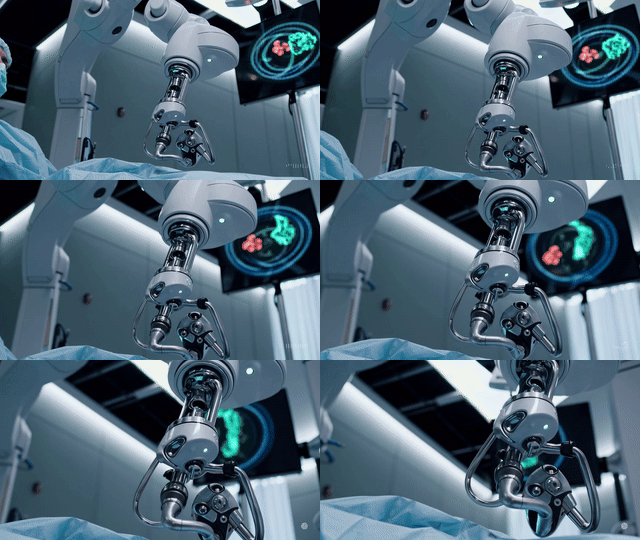
- Therapeutic Recommendations: Recommender systems and AI-driven clinical decision support can assist in areas like choosing the right antibiotic (by analyzing local resistance patterns and patient allergy history) or optimizing insulin dosing for diabetics. For chronic disease management, AI apps analyze daily patient data (e.g. glucose readings from a diabetic’s continuous monitor) and provide tailored advice. Notably, in mental health, AI chatbots (like Woebot) use NLP to deliver cognitive behavioral therapy exercises to patients, providing on-demand coaching and spotting when a human therapist should intervene. These AI “virtual assistants” for patients have shown success in engaging patients who might not seek traditional care and can scale support to many individuals simultaneously.
- Robotic Surgery and Prosthetics: In the operating room, AI is starting to guide surgeons. Robotic surgery systems (such as the da Vinci robot) are manually controlled, but AI algorithms can enhance precision – for example, by providing real-time tissue recognition (distinguishing tumor tissue from healthy tissue) or preventing unintended movements. Research prototypes of AI-driven surgical robots have demonstrated the ability to autonomously perform certain constrained tasks (like suturing simulated tissue) under supervision. Moreover, AI-controlled prosthetic limbs use reinforcement learning to adapt to an amputee’s gait in real time, giving more natural movement.
- Hospital Operations & Workflow Optimization: Outside direct clinical care, AI is solving logistical challenges that impact patients. For example, managing hospital bed capacity and scheduling surgeries is complex; AI-driven systems can forecast admissions and discharges to optimize bed allocation or suggest optimal surgical block scheduling to maximize use of operating rooms. A notable example is Qventus, an AI platform for hospital operations: it uses machine learning to anticipate bottlenecks (like a patient likely needing an extra day in the hospital or an ICU bed likely to free up) and automates routine coordination tasks. In one year, Qventus helped its client hospitals eliminate 36,000+ excess patient days (speeding discharges when safe) and enabled 14,000 additional surgeries to be scheduled by smoothing scheduling inefficiencies (Qventus Snags $105M for Its Patient Flow Automation Tech - MedCity News). This not only improves patient flow and reduces wait times, but also translates to substantial financial gains (more surgeries = more revenue, and fewer excess days = lower costs). Similarly, in emergency departments, AI-based triage systems prioritize patients and predict if more staff are needed, reducing waiting room times.
AI Techniques & ROI: The use cases above employ a range of AI techniques – from deep learning (CNNs, RNNs, transformers) to classical machine learning (random forests, gradient boosting) – often combined in ensemble. In imaging and signal analysis, convolutional networks and computer vision techniques dominate. In text and sequence analysis, NLP and transformer models extract insights. For decision-making under uncertainty and sequential decisions (treatments over time, or dynamic resource allocation), reinforcement learning (RL) is explored. These techniques solve problems by identifying patterns or strategies hidden in data that human experts can’t easily parse unaided. The result has been improved performance on many metrics: higher diagnostic accuracy/sensitivity, faster decision-making, and more efficient use of resources. Many AI solutions in healthcare report >90% accuracy on specific tasks (often matching or exceeding human benchmarks), significant time savings (tens of minutes to hours per case), and positive return on investment. For instance, radiology AI tools that automatically draft scan reports can save radiologists 20–30% of interpretation time, allowing them to handle more cases per day. Early evidence from hospitals that have implemented AI (in imaging or operations) indicates improvements in throughput and potentially reduced burnout for staff as mundane tasks are offloaded. While rigorous long-term ROI studies are still ongoing, the case studies cited – from faster stroke treatments to more surgeries scheduled – illustrate measurable benefits. Importantly, these successes are driving broader adoption: more than 25% of U.S. hospitals in a recent survey are already using AI-based predictive analytics in some form ( 50+ AI in Healthcare Statistics 2024 · AIPRM ), a number that is growing each year.
Section 3: Core AI Technologies & Required Skills
Developing and deploying AI solutions for healthcare requires not only general AI expertise but also specialized tools and domain knowledge. This section outlines the core technologies, frameworks, and skills that professionals in this field typically leverage.
Prominent AI Frameworks and Tools
AI engineers and data scientists in healthcare rely on many of the same frameworks used in other industries, with some additions tailored to medical data:
- Deep Learning Frameworks: TensorFlow and PyTorch are the dominant platforms for developing neural networks. Researchers use these to build CNNs for image analysis (e.g. classifying MRI scans) or transformers for text (e.g. extracting info from clinical notes). Both frameworks have rich ecosystems; for example, TensorFlow’s high-level Keras API allows quick prototyping of models, and PyTorch’s dynamic approach is popular in research for its flexibility.
- Medical Imaging Libraries: Tools like MONAI (Medical Open Network for AI) built on PyTorch provide domain-specific components for healthcare imaging – e.g. pre-built methods for 3D MRI segmentation, handling of the DICOM medical imaging format, and data augmentation suited for scans. Similarly, NVIDIA Clara and TensorFlow Medical Addons offer healthcare-specific model architectures and pipelines. These save time by providing tried-and-tested building blocks for common tasks like organ segmentation or anomaly detection in images.
- NLP and Text Mining: Libraries such as spaCy, NLTK, and Hugging Face Transformers are widely used for natural language processing on clinical text. For instance, Hugging Face’s transformers enable using models like BioBERT (a biomedical language model) or GPT-based models for tasks like concept extraction or generating text summaries of patient visits. Additionally, John Snow Labs’ Spark NLP for Healthcare provides an extensive suite of pre-trained medical NLP models (for de-identification, entity extraction of medical conditions, etc.), which is valuable given the jargon and abbreviations in clinical text.
- Data Science and Classical ML: Python’s PyData stack – pandas, scikit-learn, XGBoost, NumPy – is extensively used for handling tabular clinical data (like EHR records, lab values) and building predictive models. Many healthcare AI problems (like predicting hospital readmissions) often start with cleaning and analyzing tabular data, for which scikit-learn and XGBoost (for gradient boosting trees) are essential tools.
- MLOps & Deployment: To bring models into real clinical use, MLOps tools are key. Frameworks like Docker/Kubernetes are used to containerize AI services for deployment in hospital IT environments. Model serving tools (TensorFlow Serving, TorchServe, or cloud services like AWS SageMaker) help integrate AI models into applications. Additionally, version control for models and data is critical in healthcare due to regulatory needs – tools such as DVC (Data Version Control) or MLFlow are used to track experiments, model versions, and data provenance to ensure traceability (important if an AI’s output for a patient needs to be audited later)
Critical AI Subfields for Healthcare Applications
Healthcare is inherently multi-modal and complex, which means a variety of AI sub-disciplines come into play:
- Computer Vision (CV): As described, CV is at the heart of analyzing medical images (radiology, dermatology, pathology, ophthalmology, etc.). Skills in deep learning for image classification, object detection (e.g. finding polyps in colonoscopy videos), and image segmentation (e.g. delineating tumor boundaries on a scan) are crucial. Techniques like data augmentation (to compensate for limited medical data), transfer learning (using pre-trained models and fine-tuning them on medical images), and interpretability methods (e.g. Grad-CAM heatmaps to show why the CNN focused on certain image regions) are often employed to build trust with clinician end-users.
- Generative AI: Generative AI transforms healthcare by designing novel drug candidates, enhancing medical image analysis, and enabling personalized treatment plans. These systems analyze vast datasets to create new molecular structures, reducing traditional drug discovery timelines from years to weeks, as demonstrated by Insilico Medicine's liver cancer drug candidate identified in just 30 days. In medical imaging, generative models produce synthetic training data that improves diagnostic accuracy for radiologists detecting tumors and other anomalies. The technology also powers virtual health assistants that engage patients in natural language, automates clinical documentation through conversation transcription tools like Abridge, and tailors therapeutic approaches by predicting individual treatment responses. Healthcare implementations require careful consideration of patient privacy, data quality, and model interpretability to ensure clinician trust and regulatory compliance while maintaining the ethical standards essential for medical applications.
- Natural Language Processing (NLP): A huge portion of medical data is unstructured text – doctor’s notes, radiology reports, pathology reports, clinical literature. NLP experts in healthcare need to handle tasks like named entity recognition (identifying medications, symptoms, diagnoses in text), entity linking to medical ontologies (e.g. linking “high blood sugar” to the concept of diabetes), text classification (triaging patient messages or classifying hospital readmission risk based on discharge summaries), and text generation (summarizing an encounter). Modern transformer-based models have made NLP far more effective in healthcare, but they require careful adaptation due to domain-specific language. Skills in fine-tuning BERT or GPT models on clinical corpora (like MIMIC-III, a large ICU database of notes) and ensuring de-identification (to remove patient identifiers from training data) are highly valued.
- Reinforcement Learning (RL): While more niche, RL is increasingly explored for optimizing sequential decisions in healthcare. This spans treatment planning (as seen with sepsis or oncology dosing strategies), resource allocation (e.g. bed management policies), or even in controlling medical devices (an RL agent controlling an insulin pump in an artificial pancreas system). Skills in formulating healthcare problems as Markov Decision Processes (MDPs), ensuring patient safety via safe-RL techniques, and simulation (since deploying an untested policy on real patients is unethical, lots of simulation on retrospective data or patient digital twins is done) are important for those working on this frontier.
- Data Engineering & MLOps: Unlike some fields where cleaned datasets are readily available, healthcare AI requires significant data wrangling. Professionals need skills in SQL and data pipelines to extract and merge data from hospital databases (which could be disparate systems for labs, pharmacy, EHR, etc.). Knowledge of tools like Apache Spark or cloud data warehouses is useful for scaling to millions of records. Moreover, MLOps and software engineering skills are crucial to deploy AI in live clinical systems reliably. This includes unit testing of models, continuous integration, and monitoring model performance in production (e.g. did an imaging AI’s accuracy drop after a hospital installed a new scanner that produces slightly different images? The team needs to detect and retrain if so).
Healthcare Domain Knowledge and Regulatory Compliance
In addition to technical AI skills, domain knowledge in healthcare is essential to be effective:
- Medical Knowledge: While one need not be an MD, understanding medical terminology and data is important. AI professionals often need to interpret what a feature means (e.g. what is an “ejection fraction” or an “HbA1c” lab test and why does it matter?), or to communicate with clinical stakeholders. Learning the basics of anatomy, disease processes, and clinical workflows (how does a patient move through a hospital? what decisions does a doctor make in treating diabetes?) allows AI solutions to be more relevant and accurate. Many AI teams pair data scientists with clinicians or have clinical annotators on hand to guide label creation and validate outputs.
- Regulatory Compliance (HIPAA, GDPR, FDA): Healthcare data is highly sensitive and regulated. In the US, HIPAA laws mandate strict protection of personal health information (PHI). This means AI professionals must ensure data is stored and processed securely (often encrypted and on controlled servers), and that models do not inadvertently leak PHI (for instance, a generative model trained on patient notes must not output a real patient’s name or address). In Europe, GDPR adds additional requirements for data privacy and patient consent. Teams must often implement data anonymization or de-identification pipelines before data can be used for AI training (e.g. removing names, IDs, and other identifiers from medical text or images). Failing to comply can lead to hefty penalties, so understanding these legal frameworks is critical.
- FDA and Clinical Validation: If an AI system is intended as a diagnostic or treatment aid, it may be considered a medical device that requires FDA approval (or CE marking in Europe, etc.). AI developers need to be aware of the regulatory pathways – for example, whether their AI is a Class II device that can go through the 510(k) clearance process by showing “substantial equivalence” to a predicate, or if it’s novel enough to need a De Novo or PMA approval. Preparing documentation for regulatory submissions (including extensive validation studies, evidence of safety and effectiveness, and processes for post-market surveillance) is a skill unto itself. Recently, regulators are also focusing on AI transparency and change management – the FDA has issued guiding principles for “Predetermined Change Control Plans” for AI, meaning the developers should specify how the model can be updated or retrained safely after deployment (AI-based Medical Devices | FDA’s Change Control | PatentNext). AI practitioners in health might work with regulatory experts to navigate this, but familiarity with concepts like bias evaluation, algorithmic transparency, and clinical trial design for AI (prospective study vs retrospective) is very useful.
- Healthcare Data Standards and Systems: Knowing how health data is structured is key to accessing and using it. This includes understanding EHR systems (like Epic, Cerner) and data standards such as HL7 FHIR (a standard format for exchanging health records), DICOM (for imaging data), ICD & SNOMED codes (for diagnoses and clinical terminology). For example, an NLP model might output a SNOMED code for a condition it found in text, to integrate with hospital problem lists. Or a data pipeline might need to convert DICOM images into NIfTI format for ML processing. These are domain-specific technical skills that augment pure AI skills.
In summary, the best AI solutions in healthcare are built by teams that blend advanced AI know-how with a deep understanding of the medical domain and its constraints. A machine learning engineer in this field might need to know not just how to build a ResNet model, but also how to handle protected health data, ensure their model’s suggestions align with clinical guidelines, and communicate results in a way that doctors trust. Those who can straddle both worlds – tech and healthcare – are highly sought after in this industry.
Section 4: Healthcare Data Sources & Data Handling
Data is the lifeblood of healthcare AI, but it is also one of the biggest challenges. This section examines the types of data used, the hurdles in working with healthcare data, and the typical AI development lifecycle in this domain, including any special MLOps considerations.
Data Types in Healthcare AI
Healthcare provides a rich variety of data modalities, each with its own characteristics:
- Medical Images: These include X-rays, CT scans, MRI, ultrasound, PET, mammograms, and digital pathology slides. Image data can be 2D (like an X-ray film) or volumetric 3D (like an MRI series) or even 4D with time (e.g. a cardiac echo video). Resolutions can be large (pathology images may be gigapixels). Formats like DICOM are standard for radiology imaging and contain metadata (patient info, imaging parameters) along with pixel data. Image data is often used for CNN-based diagnostic models, as discussed.
- Electronic Health Records (EHR) Data: EHRs contain both structured data (demographics, vital signs, lab results, medication lists, diagnosis codes, billing codes) and unstructured text (progress notes, discharge summaries, operative reports). The structured fields are great for statistical models and risk scores; the unstructured notes require NLP to extract value. EHR databases can have thousands of variables per patient over time, essentially creating a high-dimensional time-series dataset for each individual. Data may be stored in SQL databases or via FHIR APIs and typically needs extensive cleaning (dealing with missing values, errors, and heterogeneity across sites).
- Genomic and Omics Data: With the rise of precision medicine, genomic data (DNA sequences, variant data, RNA expression levels, etc.) is increasingly part of healthcare analytics. For instance, a cancer patient’s tumor might have a genetic sequencing done – generating data that AI can analyze to recommend targeted therapies. Genomic data is usually large and requires bioinformatics pipelines (variant calling, etc.) before it’s ready for ML. Other “omics” like proteomics or metabolomics can also be present, especially in research contexts.
- Sensor and Wearable Data: Many patients (particularly in wellness or chronic disease management programs) use wearables or IoT health devices – think Fitbit step counts, continuous glucose monitors, blood pressure cuffs, smartwatches with heart rate and ECG. These produce continuous time-series data. AI can use this for anomaly detection (e.g. detect atrial fibrillation from an Apple Watch ECG) or to track trends (like activity levels correlating with depression). The volume of data here can be huge (a single person’s high-frequency heart rate monitor data over a year), calling for big data techniques.
- Clinical Trial Data & Registries: Pharmaceutical and clinical research generates data from trials – typically very structured and detailed (case report forms capturing every relevant metric about patients during the trial). AI is used on trial datasets to find new insights (maybe identify which sub-group of patients benefit most from a drug, via ML subgroup analysis) or to help design better trials (predicting patient recruitment, etc.). Real-world patient registries (collections of data around a condition or device post-market) are also valuable for training and validating AI algorithms on diverse populations.
- Claims and Administrative Data: On the administrative side, healthcare payers (insurers) have claims data which includes diagnosis codes, procedure codes, and cost information for millions of patients. While this data lacks clinical detail, it’s useful for population-level modeling, cost prediction, and health economics research. AI can find patterns in claims to detect fraud or to identify high-risk patients for care management programs.
In practice, many healthcare AI projects combine multiple data sources – this is often called multi-modal learning. For instance, an AI model for predicting heart attack risk might combine EHR data (risk factors, labs) with imaging (maybe a calcium score from a CT scan) and even genomic markers. This requires sophisticated data integration but can lead to more accurate predictions than any single source.
Key Healthcare Data Challenges: Privacy, Compliance & Quality
Working with healthcare data comes with a host of challenges that are often more daunting than the modeling itself:
- Privacy and Compliance: By law, patient data is protected. Before AI practitioners even get access to data, there are processes like Institutional Review Boards (IRB) approvals or Data Use Agreements that must be in place if data is used for research. Often, data will be de-identified (stripped of direct identifiers like names, Social Security Numbers, etc.) to comply with HIPAA’s Safe Harbor or expert determination methods. However, even de-identified data can sometimes be re-identified, so extra care is needed (for example, genomic data is unique to a person; full genome data is usually treated as identifiable). In cross-border projects, GDPR might require that European patient data never leaves the EU, affecting where you can host and process it. Privacy concerns have spurred techniques like Federated Learning, where models are trained across multiple hospitals’ data without the data ever leaving each hospital – the model updates (gradients) are aggregated centrally (Federated Learning to Revolutionize Data Privacy and Efficiency in ...). This approach is being actively explored so that AI can learn from distributed datasets while preserving patient privacy.
- Data Access and Silos: Healthcare data is notoriously siloed. Different departments (radiology vs pathology vs clinical notes) might have separate databases that are not easily linked. Integrating data on the same patient from multiple sources is a non-trivial task (it may require matching patient IDs across systems, dealing with missing or conflicting records). Moreover, many hospitals are reluctant to share data externally. Often, AI teams must collaborate closely with a hospital’s IT department to extract data and must sometimes physically host models on-premises at the hospital due to data governance policies (cloud use might be restricted). Gaining access to a high-quality dataset can be one of the hardest parts of a project.
- Data Quality and Labeling: Medical data can be messy. EHRs are full of typos and copy-pasted text, and diagnoses in billing codes don’t always reflect the ground truth (they might be upcoded for billing or just incomplete). There’s also class imbalance – for example, only a small fraction of patients might have a rare disease, making it hard for the model to learn (and easily biased if not careful). Creating ground truth labels for training supervised models often requires expert annotation: radiologists marking thousands of images or nurses reviewing cases. This is expensive and time-consuming. Sometimes proxy labels are used (e.g. using discharge diagnoses as a label for whether a patient’s chest X-ray showed pneumonia), but those come with noise. Efforts to crowdsource or use machine-assisted annotation (like pre-labeling by AI and then correction by humans) are common to scale the labeling process.
- Heterogeneity: Healthcare is extremely heterogeneous. A model trained on one hospital’s data may fail at another because of differences in patient demographics, treatment practices, or even how data is recorded (one hospital might record blood pressure in mmHg in one field, another in a different field, etc.). Images from different medical equipment manufacturers have different characteristics. Thus, generalizability is a challenge – models can perform well on data from Hospital A and poorly on Hospital B. A lot of effort goes into validation on external datasets and making models robust via techniques like domain adaptation.
- Small Data Regimes: Contrary to popular belief, in some areas of healthcare AI, data is actually limited. For rare diseases or new medical conditions, there may simply not be enough examples to train a complex model from scratch. Transfer learning (e.g. pre-training on ImageNet or large text corpora and then fine-tuning on medical data) is a common strategy to overcome limited data. Synthetic data generation is another approach: for instance, using generative adversarial networks (GANs) to create synthetic medical images that augment the training set. However, synthetic data must be used carefully to ensure it’s realistic and doesn’t inadvertently introduce bias.
- Label Noise and Outcome Uncertainty: The “ground truth” in healthcare is sometimes subjective or noisy. Two radiologists might disagree on whether an X-ray shows pneumonia. Pathologists often have inter-rater variability in grading a tumor. So the model might actually be learning a probabilistic truth. This means evaluation needs to account for a margin of error (an AI could actually be right in a controversial case even if it’s marked wrong per one annotator). Advanced techniques like modeling label uncertainty or using consensus labels (majority vote of experts) are used to get around this.
AI Development Lifecycle in Healthcare
The typical lifecycle of developing and deploying an AI solution in healthcare has additional steps or iterations compared to a generic AI project, due to the reasons above:
- Problem Definition & Clinical Partnership: It starts with identifying a concrete problem (e.g. “reduce ICU readmissions” or “automate analysis of knee MRIs”) and partnering with clinical stakeholders. Having doctors or healthcare administrators co-define the project ensures that the AI solution will actually fit a need and be used. This phase includes defining success metrics that matter clinically (e.g. improve diagnostic accuracy, save X hours of time, reduce cost by Y%).
- Data Ingestion & Preparation: Data is then acquired from the relevant sources. This might involve setting up secure database queries, pulling data from an EHR data warehouse, or collecting images from the PACS system. Often, this data must be de-identified at this stage. Teams use tools to scrub PHI from text and ensure only necessary fields are retained. Data is then cleaned: outlier removal, handling missing values (for example, filling forward certain lab values or using imputation strategies), and normalizing formats. In imaging, this might mean converting all images to the same resolution or extracting specific views from a DICOM series. In text, it might mean extracting the sections of a report (like “Findings” and “Impression” from a radiology report) that are relevant. This step can be 50-70% of the effort.
- Data Labeling & Annotation: If supervised learning is to be used and labels aren’t readily available in the data, annotation projects are launched. This could involve a team of clinicians labeling images or verifying algorithm outputs. Sometimes, this overlaps with data preparation – e.g. radiologists might label a subset of images which are then used to train a model that labels the rest (semi-supervised approaches). Modern projects might also leverage pre-trained models to auto-label and then have humans correct labels to expedite the process. All labeling work must be done in secure environments given the data sensitivity, often on hospital premises or on encrypted drives with role-based access.
- Model Training & Validation: With data ready, model development begins. Usually, data is split into training, validation, and test (with an eye to keep a separate external test set from another hospital if possible, to check generalization). Researchers will try various model architectures and features. During training, especially in healthcare, cross-validation is often used (with folds by patient, to avoid leakages where one patient’s data appears in both train and test). Hyperparameter tuning is done carefully, as overfitting to peculiarities of one dataset is a constant danger. Validation is not just about overall accuracy – teams will stratify results by subgroups (Does the model perform worse for older patients? Does it miss more cancers in women vs men? etc.) to detect biases or failure modes. This is crucial for ethical and safe AI: a model that works 90% overall but fails on a minority group could exacerbate health disparities.
- Clinical Evaluation: Before deployment, the model is often tested in a retrospective clinical validation study. For example, the AI might be run on last year’s cases and its recommendations compared against actual outcomes or expert judgments to see if it would have made a positive difference. Sometimes, this involves multiple experts – e.g. having pathologists double-check all instances where the AI disagreed with the original diagnosis, to see who was actually correct. This phase builds evidence needed for regulatory approval or at least for convincing the hospital administration and end-users of the tool’s value. For regulated devices, this might be formalized as a clinical trial.
- Deployment: Deploying in healthcare comes with practical constraints. Often, AI software is deployed on-premises at a hospital due to data privacy (the data cannot leave the hospital network). This might involve setting up local servers or edge devices (e.g. an AI appliance in the radiology department that takes images from the scanner network, runs the model, and sends results to the radiologist’s workstation). Integration with existing systems is paramount: for instance, integrating with the EHR so that an AI-generated risk score appears in the patient’s chart where clinicians can see it, or integrating with the radiology viewer to overlay AI markings on images. Standards like FHIR for data exchange or DICOM for imaging results are used to facilitate this integration. MLOps in deployment includes ensuring low latency (especially for real-time use cases like critical condition alerts), high availability, and fail-safes (if the AI system is down, the workflow should gracefully continue without it).
- Monitoring & Maintenance: Once live, the AI system is monitored continuously. This includes technical monitoring (uptime, response times) but also performance monitoring – e.g., tracking the model’s accuracy or recalibrating its output against new ground truth as it accumulates new data. Data drift is a real concern: if the patient population or provider behavior changes (say a new treatment protocol is introduced, or a new type of imaging machine), the model’s predictions might become less reliable. Many healthcare AI deployments implement a feedback loop: capturing the outcomes of AI-assisted decisions to see if they truly improved things, and flagging cases where the AI made an incorrect suggestion so those can be reviewed and potentially used to update the model. However, updating a model in healthcare is not trivial; if the model was part of an FDA-cleared device, an update might require notification or even re-approval unless it was covered by an approved change control plan. Thus, organizations often retrain models on new data periodically and go through a validation process again. This is where MLOps practices – automated retraining pipelines, rigorous version control, and testing – are crucial. There is a growing trend of using federated learning or continuous learning in a controlled manner so that models can evolve with incoming data without centralizing patient data (Federated machine learning in healthcare: A systematic review on ...).
- Security and Ethics: Throughout the lifecycle, special care is given to security (cybersecurity is critical since healthcare data is a prime target for breaches – models and data are stored with strong encryption and access controls) and ethics. Ethical considerations include ensuring the AI’s recommendations are transparent and explainable to users, and establishing clear accountability (the physician is ultimately responsible for decisions, but if AI influenced a decision, that needs to be documented). Many healthcare AI deployments start with a “shadow mode” – the AI runs in the background, and clinicians see its predictions but don’t act on them until they gain trust – before fully integrating AI into decision-making.
Healthcare MLOps Considerations
Healthcare’s unique environment imposes some additional constraints on DevOps/MLOps:
- On-Prem and Edge Deployment: Unlike web companies where everything can be cloud-based, healthcare often requires on-prem solutions for privacy. AI teams might need to optimize models to run on local hardware that may not be as scalable as cloud. This includes model quantization or using GPUs available in hospital servers, etc. Tools like NVIDIA’s Triton Inference Server can be deployed on-prem to manage multiple models and maximize GPU utilization for inference in a hospital.
- Deployment Certification: In some cases, the deployment environment might itself need to be validated (especially in pharma/biotech, according to GxP regulations). This means the software environment, libraries, and even any code changes are documented and tested under formal protocols. Continuous delivery is slower – updates might be batched and rolled out after extensive testing. MLOps pipelines are adjusted to produce these documentation artifacts (audit logs, test reports) automatically to streamline compliance.
- High Reliability and Fail-safe: In healthcare, if an AI service goes down, it can’t take the whole system with it. MLOps needs to ensure that if the AI is unavailable, clinicians can continue their work using traditional methods. This often means running AI as a parallel service rather than an in-line blocking part of a workflow, or having clear fallbacks. Monitoring will include alerts if, say, an AI-driven alert failed to execute, so staff can compensate manually.
- Versioning for Legal Audit: Every model version that was used on patients may need to be stored and reproducible. If years later a question arises “why did the AI recommend this treatment for Patient X?”, the exact model and data used at that time should be recoverable. MLOps solutions maintain model lineage – for instance, keeping a snapshot of model weights and code in a secure archive for each version deployed, along with training data hashes. This is beyond typical A/B testing versioning in other industries; it’s a legal safeguard.
- User Training and Support: Deploying AI in healthcare also involves training the end-users (doctors, nurses, technicians) on how to interpret and use the model’s output. So the “deployment” phase often includes building user education into the process. The AI team might incorporate feedback mechanisms (like a button for the doctor to indicate if an AI suggestion was helpful or not for a case, which goes back to the team for review).
In summary, handling healthcare data is challenging but manageable with the right processes. Privacy and compliance are non-negotiable, which sometimes slows down AI experimentation but also drives innovation in privacy-preserving ML techniques (like federated learning and differential privacy). The AI development lifecycle in healthcare is iterative and rigorous, often involving more checks and balances than other fields – but this rigor is what ensures that when AI is finally put in the loop for patient care, it is safe, effective, and trustworthy.
Section 5: AI Engineering Roles in Healthcare
Artificial Intelligence is transforming healthcare across diverse domains, creating demand for a wide range of AI engineering roles. In all cases, healthcare AI teams are multidisciplinary, blending technical expertise with clinical collaboration. Below, we explore AI engineering roles in four key healthcare areas – clinical applications, biopharma R&D, wearable health tech, and hospital operations – highlighting example positions, required skills, team structures, and real-world leaders.
1. Clinical AI Applications
Clinical AI focuses on improving patient care through data-driven insights in areas like medical imaging, electronic health records (EHR) analysis, and predictive analytics for patient outcomes. AI engineers in this domain work closely with physicians (radiologists, clinicians) to ensure solutions integrate into clinical workflows and address real healthcare needs.
AI in Medical Imaging (Radiology AI)
Medical imaging has been a flagship use case for clinical AI. AI engineers in radiology develop and deploy deep learning models (often computer vision algorithms) to interpret imaging data (X-rays, MRI, CT scans) for faster and more accurate diagnoses. Example roles include: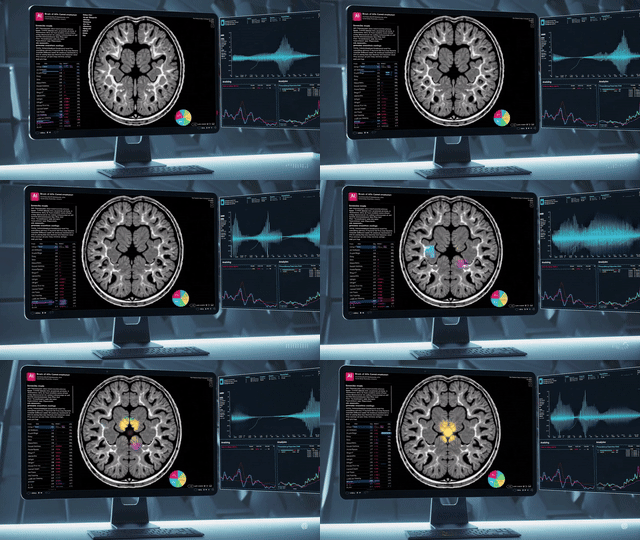
- Machine Learning Engineer (Medical Imaging) – Develops and validates deep learning models for tasks like tumor detection, organ segmentation, or disease classification on imaging data (Senior AI Engineer - PaxeraHealth | Built In). These engineers must understand both the technical challenges (e.g. image noise, 3D data) and the clinical context (e.g. anatomy, radiology workflow). For instance, a Senior AI Engineer at a medtech company is responsible for formulating AI solutions to imaging problems, building prototypes, and ensuring algorithms improve radiologists’ efficiency. Required skills include image processing experience, proficiency with deep learning frameworks (TensorFlow, PyTorch, etc.), and handling large DICOM imaging datasets (Senior AI Engineer - PaxeraHealth | Built In).
- Radiology AI Research Scientist – Often found in academic hospitals or R&D labs, they research new AI methods for imaging. For example, at Duke’s Center for AI in Radiology, scientists experiment with machine learning on tens of thousands of images to detect pathologies (Duke Center for Artificial Intelligence in Radiology). They work on cutting-edge model development (e.g. 3D CNNs for tumor detection) and validation in clinical trials.
- Data Annotator / Imaging Data Specialist – Prepares and curates imaging datasets for AI. This can be a junior role involving cleaning data and coordinating expert annotations (e.g. a role at Fred Hutch required annotating radiology reports to identify cancer cases. Ensuring high-quality labeled data is crucial for training reliable models.
- Radiologist-AI Liaison – Some radiologists serve part-time with AI teams (e.g. as product consultants) to provide clinical expertise. These medical domain experts guide AI engineers on labeling, use-case priority, and result interpretation, bridging the gap between technical teams and clinicians.
Tools & Techniques: Medical imaging AI engineers rely on deep learning libraries (TensorFlow, PyTorch) and specialized frameworks like MONAI for healthcare imaging. They use Python for model development and OpenCV/ITK for image pre-processing. Knowledge of DICOM standards and PACS integration is important for deployment. They often use GPUs and cloud platforms for model training, and follow MLOps practices to validate and monitor models in production. For example, a Radiology ML Engineer may use Docker/Kubernetes to deploy models in hospital IT environments (Machine Learning Engineer, Infrastructure @ Rad AI | Khosla Ventures Job Board) while ensuring low latency for real-time image analysis.
Collaboration: Imaging AI teams work hand-in-hand with radiologists. Engineers frequently review model outputs with radiologists to get feedback on clinical accuracy. In many cases, a radiologist might officially lead or co-lead the AI project. For instance, Rad AI (a U.S. radiology AI startup) was founded by a radiologist and its engineering team collaborates with physicians at client hospitals. AI engineers must understand radiologists’ workflow (e.g. reading priorities, report generation) to design solutions that integrate seamlessly and actually reduce workload. This tight collaboration has led to successes such as AI systems that reduce errors in radiology reports by 50% through augmented reporting (Director of Machine Learning @ Rad AI | Purpose Job Board).
Example – Rad AI Team: Rad AI’s organization illustrates career progression in imaging AI. At the leadership level, they have a Head of Machine Learning responsible for the entire AI department – setting strategy, guiding researchers and engineers, and aligning AI projects with clinical needs (Director of Machine Learning @ Rad AI | Purpose Job Board). This director-level role involves mentoring the team, ensuring best practices in model development, and communicating with executives about AI initiatives. Reporting to this head are ML Engineers and Research Scientists. Some specialize in model development (building new computer vision models for detecting findings on images), while others specialize in ML Infrastructure (MLOps). For example, Rad AI’s job posting for an ML Engineer, Infrastructure highlights responsibilities like designing the ML pipeline, building continuous training and deployment systems, and optimizing model serving performance (Machine Learning Engineer, Infrastructure @ Rad AI | Khosla Ventures Job Board) . This shows how mid-level engineers may focus on scalable deployment and data pipelines, ensuring the AI can reliably operate on millions of images in hospital settings. Junior AI engineers or data scientists in the team might handle data preprocessing, implement model tweaks, and run evaluations under guidance. All team members collaborate with radiologists for validation and work under regulatory constraints (such as FDA requirements for AI diagnostics).
AI for Clinical Text and EHR Data
Healthcare generates vast amounts of textual data – doctor’s notes, discharge summaries, pathology reports – and structured EHR data – diagnoses, vitals, lab results. AI engineers in this area use Natural Language Processing (NLP), Generative AI, machine learning to unlock insights from clinical text and predict patient outcomes from health records.
- Generative AI Engineer (Clinical Data Innovation) – Develops and implements generative AI models to transform Electronic Health Records (EHR) and clinical data management. For example, at CompuGroup Medical US, a Generative AI Engineer plays a crucial role in designing AI-driven solutions that enhance healthcare information systems. They focus on integrating large language models (LLMs) into EHR systems to automate tasks such as clinical documentation, appointment scheduling, and data analysis. This role requires expertise in generative AI technologies, proficiency in programming languages like Python and Java, and experience with API integrations and backend enhancements. A strong background in AI and machine learning, along with familiarity with healthcare data standards (e.g., FHIR), is essential. (Generative AI Engineer - CompuGroup Medical US | Built In).
- NLP Engineer (Clinical Language Processing) – Develops NLP models to interpret and organize medical text. For example, at IMO Health (a clinical terminology and data company), an NLP Engineer leads development of cutting-edge language models tailored to healthcare. They design algorithms to extract clinical concepts from unstructured text (e.g. identify medications and symptoms in a physician’s note) and may build conversational AI for clinical documentation assistance. This role requires strong NLP skills (parsing medical syntax, entity recognition), familiarity with large language models and Transformers, and understanding of clinical language (e.g. abbreviations, ICD codes). A background in biomedical informatics or computational linguistics is common. Senior NLP engineers often hold advanced degrees and may publish research; for instance, at IMO Health the NLP Engineer is expected to mentor juniors and publish findings in journals (NLP Engineer - IMO Health | Built In Chicago) (NLP Engineer - IMO Health | Built In Chicago).
- Clinical Data Scientist (EHR Analytics) – Uses statistical modeling and machine learning on patient data in EHRs to derive insights (e.g. risk scores, outcome predictions). Responsibilities include cleaning and structuring raw health records, applying predictive models (like risk of readmission or sepsis), and validating these models on historical data. Strong data manipulation (SQL, Python/R) and knowledge of healthcare data standards (HL7, FHIR) are needed They often work for healthcare systems or analytics companies to improve care quality. For example, a Medical Data Scientist might leverage EHR data to predict patient deterioration, requiring understanding of both ML techniques and clinical markers.
- Clinical AI Researcher (Predictive Modeling) – Often found in research hospitals or health-tech companies, these researchers develop new algorithms for clinical predictions (e.g. models that predict surgical complications or optimize treatment plans). They frequently have a PhD in a field like biomedical informatics or biostatistics. For example, hospital research labs (like Mass General Brigham’s AI in Medicine program) employ research scientists to combine multimodal data – labs, notes, images – into prognostic models. Such roles involve prototyping models and running clinical validation studies in partnership with physicians.
Tools & Frameworks: Clinical NLP engineers use NLP libraries and frameworks such as spaCy or Hugging Face Transformers, often with models tuned to medical text (e.g. BioBERT or clinicalBERT). They also utilize ontology databases (like UMLS or SNOMED CT) to ensure medical terminology is handled correctly. For EHR data, knowledge of SQL and data warehousing is critical, along with Python for analysis (pandas, scikit-learn). Many teams use Apache Spark or PySpark when dealing with large hospital datasets. Understanding healthcare data interoperability (HL7 messages, FHIR APIs) is important for integrating AI solutions with hospital systems. Additionally, privacy and security tools are used given the sensitive nature of patient data.
Collaboration: AI engineers in this area work closely with healthcare professionals such as clinicians and medical informatics experts. They often partner with hospital IT or informatics departments. For example, when developing an NLP model to auto-generate clinical notes, an NLP engineer will shadow physicians to see how they document patient encounters and gather feedback on the AI-generated summaries. Many hospitals form mixed teams – doctors, nurses, data scientists – to guide AI projects. A real-world example is the partnership between data scientists and clinicians at Qventus, a company focused on operational AI: their team is explicitly cross-functional with clinicians working alongside data scientists to ensure AI fits clinical workflows (Senior Data Scientist (Remote Role) at Qventus). Similarly, in NLP projects, clinical subject matter experts review model outputs to ensure medical accuracy (avoiding dangerous errors in, say, a summary of a patient’s condition). This interdisciplinary teamwork is crucial so that AI-driven insights are trusted and adopted by healthcare staff.
Example – IMO Health NLP Team: IMO Health’s AI division illustrates a structure for clinical text AI. They have a core R&D team where NLP engineers (with backgrounds in biomedical NLP) push the boundaries of language understanding for health data . These engineers collaborate with biomedical scientists and product developers to turn NLP research into products that integrate with EHR software (NLP Engineer - IMO Health | Built In Chicago). Leadership in such a team might include a Principal NLP Scientist or AI Director who sets research directions (like exploring large language models for clinical applications) and coordinates with other departments. Junior members (possibly titled NLP Associates or Machine Learning Engineers) implement and fine-tune NLP algorithms under the mentorship of senior staff. Importantly, the team interacts with client hospitals or users – for example, gathering requirements from physicians or IT teams to customize the NLP solutions. As noted in the job description, an NLP engineer at IMO must translate complex technical concepts into accessible language for non-technical stakeholders, highlighting how communication is a key skill at all levels.
Predictive Analytics for Patient Outcomes
Another facet of clinical AI is using AI for predictive analytics – forecasting patient outcomes or events (such as disease progression, readmission risk, or treatment response) to enable preventive care. This often involves time-series data (vitals, monitor data) and population health statistics. Roles here overlap with data science and NLP roles described above, but some specializations include:
- Clinical Data Scientist (Predictive Modeling) – Focuses on developing predictive risk models (e.g. predicting which ICU patients are at risk of sepsis). They use machine learning (regression, random forests, neural networks) on multimodal patient data. These scientists need strong statistics and often domain knowledge in epidemiology or physiology. They might work for healthcare analytics firms or within a hospital’s analytics institute. For example, Bayesian Health (a U.S. startup led by Dr. Suchi Saria) employs data scientists to create predictive models for early illness detection in hospitals – these roles require understanding both ML and the clinical relevance of the predictors.
- Applied ML Scientist (Healthcare) – In tech companies (like Google Health), applied scientists build and test models for specific clinical predictions, such as detecting diabetic eye disease from retinal images or predicting medical events from electronic records (AI: Leveraging wearables and other patient-generated data in research | Corporate Learning at HMS). They often publish peer-reviewed studies. A notable example is Google’s team that developed a model to predict patient outcomes from EHR sequences; such roles required expertise in deep learning for sequences (e.g. RNNs) and the ability to work with clinical researchers for validation.
Tools & Techniques: Many predictive models in healthcare use Python ML libraries (scikit-learn, XGBoost) for baseline models and TensorFlow/PyTorch for deep learning approaches. Time-series analysis tools and libraries (like tsfresh or Prophet for time-series forecasting) can be used for trends in patient vitals. For evaluating models, statistical techniques (ROC/AUC, calibration plots) are crucial due to the high stakes. In deployment, these models often integrate with clinical decision support systems in EHRs, using standards such as FHIR CDS Hooks. Visualization tools (Tableau, PowerBI) may be used to explain model predictions to clinicians.
Collaboration & Validation: Predictive analytics projects typically have physicians or epidemiologists co-leading to ensure models make medical sense. AI engineers must work with clinical trial teams or quality improvement teams to validate that a model’s predictions indeed correspond to real improvements. Often, models are validated in retrospective studies and then prospectively (live) with oversight by clinicians. Collaboration with hospital IT is also critical to implement the model into practice (for example, to generate an alert for a nurse when a patient’s risk score crosses a threshold).
Real-World Team Example: At Children’s Hospital Los Angeles (CHLA), a Data Science & AI Team provides expertise for predictive analytics in clinical research. The team, led by a Chief Data Officer/Director of Data Science, includes data engineers who manage the multi-modal clinical data and data scientists creating predictive models for patient outcomes. They operate as a core facility supporting various clinical departments. Such an organizational model – a centralized AI/analytics team in a hospital – is increasingly common in large health systems. The CHLA team’s mission highlights handling diverse data (imaging, labs, genetics, EHR) and generating predictive insights for translational medicine (Data Science & AI Team | Children's Hospital Los Angeles). This demonstrates how hospital-based AI teams must be versatile in skill set and collaborate widely across specialties.
2. Biopharma and Drug Discovery AI
In biopharma, AI is revolutionizing drug discovery, development, and genomics. Pharma companies and biotech startups are heavily investing in AI to design new drugs, identify therapeutic targets, and analyze biological data faster. AI engineers in this domain often need a hybrid skill set – strong machine learning along with bioinformatics, chemistry, or biology knowledge. Teams here are typically part of R&D organizations, with close partnerships between data scientists and “wet lab” scientists (chemists, biologists).
AI Roles in Drug Discovery & Chemistry
AI in drug discovery involves using algorithms to discover novel drug candidates (small molecules or biologics), predict drug-target interactions, and optimize chemical syntheses.

- Computational Chemist / Cheminformatics Engineer (AI Focus) – A scientist-engineer who applies AI and computational methods to chemistry problems. For example, a role at AbbVie’s Computational Drug Discovery group sought a scientist to develop and deploy machine learning methods for molecular generation, drug-target interaction prediction, and molecule optimization. This role requires familiarity with medicinal chemistry (e.g. understanding molecular structures and assays) and expertise in ML techniques like molecular graph neural networks or generative models for molecules. Tasks include creating models that suggest new compound structures with desired properties, predicting binding affinity of compounds to protein targets, and integrating these into the medicinal chemistry workflow. Skills in cheminformatics toolkits (like RDKit), deep learning for graphs, and cloud computing for large-scale simulations are commonly required. Qualifications often list advanced degrees (PhD in chemistry or CS) or significant experience, as seen with AbbVie’s position requiring 0-3 years post-PhD (or 8+ years with MS) plus a strong background in ML and chemistry ( Sr Scientist I, AI / ML job in South San Francisco, CA | AbbVie ).
- Machine Learning Scientist (Drug Discovery) – Focuses on novel algorithm development in pharma R&D. These scientists design new AI models (e.g. protein structure prediction, synthesis planning algorithms) and often publish research. A Machine Learning Research Scientist at Pfizer, for example, is tasked with inventing new ML tools to accelerate drug discovery. They might work on applying graph neural networks to predict how drugs bind to targets or using reinforcement learning to guide molecule optimization. Such roles demand deep ML knowledge, programming skills, and ability to work with biologists and chemists to validate model predictions experimentally.
- AI Engineer (Pharmaceutical R&D) – Implements and scales AI solutions within a pharma company’s infrastructure. This is more of an engineering role than pure science. For instance, they might build data pipelines that feed activity assay data into ML models, or develop platforms that let chemists query AI models for drug design suggestions. They need software engineering abilities, experience with big data (handling high-throughput screening data, for example), and knowledge of deployable frameworks (APIs, databases) so that research models can become usable tools for scientists.
- Bioinformatics AI Engineer (Computational Biology) – In the context of drug discovery, this role overlaps with genomics (see next subsection) but also supports target discovery. They use AI to analyze omics data (genomics, proteomics) to find new drug targets or biomarkers. In companies like Novartis, these engineers might be part of cross-functional teams analyzing large-scale experimental data with AI to decide which biological pathways to target with new drugs.
Tools & Frameworks: Biopharma AI engineers use many scientific computing tools in addition to mainstream ML libraries. For chemistry: RDKit for molecular representations, PyTorch/TensorFlow for model building (with libraries like PyTorch Geometric for graph networks), and simulation tools (molecular dynamics packages such as OpenMM or quantum chemistry tools) when incorporating physics-based methods. Many use cloud computing or HPC clusters due to heavy compute needs (e.g. training generative models on millions of chemical structures). They also rely on data sources like chemical databases (ChEMBL, PubChem) and may use languages like Python (for ML) and some R or SQL for data manipulation. Knowledge of pipeline orchestration and MLOps is useful as teams often create internal platforms for model training and tracking. For example, Novartis’s AI group would expect familiarity with handling large-scale model training and deployment strategies for AI in chemistry (Job opportunity: AI Software Engineer Team Lead).
Collaboration & Team Structure: AI roles in drug discovery are usually embedded in interdisciplinary teams alongside medicinal chemists, biologists, and pharmacologists. An AI scientist will likely attend drug project team meetings where chemists discuss compounds – they contribute by providing AI model insights (e.g. “the model predicts this modification will reduce toxicity”). Conversely, chemists provide feedback on the AI’s suggestions (e.g. feasibility of synthesizing a recommended molecule). This dynamic ensures AI efforts are grounded in experimental reality. In fact, job descriptions emphasize working with domain experts: AbbVie’s listing notes the candidate must collaborate with computational and medicinal chemists to accelerate drug discovery ( Sr Scientist I, AI / ML job in South San Francisco, CA | AbbVie ) ( Sr Scientist I, AI / ML job in South San Francisco, CA | AbbVie ). This kind of teamwork is often coordinated by a project leader who might not be an AI expert themselves but ensures AI outputs translate into experimental action.
At the organizational level, large pharma companies have established dedicated AI units. For example, Novartis’s AI & Computational Science (AICS) team is a centralized group within R&D that drives AI innovation in drug discovery. Such teams are led by senior AI leaders (often at the Director or VP level) who serve as champions for AI. Novartis recently advertised a Director of Applied AI Research role to lead efforts in generative chemistry and serve as an “ambassador” for AI across the company. This suggests the team’s structure: a senior leader overseeing several AI research groups (e.g. one focusing on generative models for molecule design, another on protein modeling), each likely with a Principal Scientist or Team Lead. These teams consist of mid-level AI scientists/engineers and often postdocs. They collaborate with therapeutic project teams and also with external partners (Novartis mentions engagements with academia and tech partners like Microsoft Research). Startups in this space (like Insilico Medicine, Atomwise, Exscientia) are smaller but similarly composed of interdisciplinary experts. Insilico, for instance, has over 300 AI scientists and drug hunters globally, led by a CEO with a background in both AI and biomedicine (Team | Insilico Medicine) (Team | Insilico Medicine). These companies often have a Chief Scientific Officer (CSO) who bridges AI and biology, and an engineering lead (CTO or Head of AI) ensuring the tech platform is robust.
Example – AbbVie’s Computational Drug Discovery Group: AbbVie’s R&D organization provides a concrete example. They formed a Computational Drug Discovery group within Discovery Research, indicating an in-house AI team directly aligned with drug R&D projects. The team’s mission is to apply AI at the heart of computer-aided drug design, with key responsibilities like developing innovative AI methods for molecule generation and target prediction . A role in this team (Sr. Scientist I, AI/ML) expected the scientist to not only build models but also deploy them to enhance molecular design capabilities. This implies the group carries projects from algorithm development through to tools that medicinal chemists use daily. The qualifications spanned chemistry and CS, showing that team members are often “dual fluent” in both domains ( Sr Scientist I, AI / ML job in South San Francisco, CA | AbbVie ). Such a group would be led by a Director of Computational Chemistry or similar, and sit alongside traditional medicinal chemistry teams, demonstrating how AI specialists are becoming integral to pharma R&D.
AI in Genomics and Bioinformatics
Another critical area is applying AI to genomics, bioinformatics, and precision medicine. These roles deal with analyzing genetic data, understanding diseases at the molecular level, and informing drug targets or diagnostics. They overlap with drug discovery (since genomics can identify new targets) but also extend to healthcare (e.g. genetic risk prediction). Key roles include:
- Bioinformatics Scientist/Engineer (AI-focused) – This role analyzes high-throughput biological data (genomic sequences, gene expression, proteomics) using AI and machine learning. They develop algorithms to find patterns in complex “omics” datasets. For example, at Illumina (a leading genomics company), a Senior Bioinformatics Scientist role involves creating novel algorithms to interpret genetic variants by combining genomic data with clinical information. That position explicitly required leading algorithm development for deciphering the human genetic code and identifying pathogenic variants by integrating data like patient phenotypes, protein structures, and genomic sequences. This illustrates the work: using AI to predict which DNA variants cause disease or how a patient’s genetic makeup relates to their clinical traits. Skills needed include statistical genetics, machine learning, and the ability to handle large genomic databases. Tools like Python/R for data analysis, TensorFlow/PyTorch for any deep learning models (e.g. predicting gene function), and domain-specific tools (like GATK for variant analysis or Bioconductor packages) are commonly used. Such scientists often have PhDs in bioinformatics or computational biology and experience in both ML and biology (Senior Bioinformatics Scientist / Statistical Geneticist @ Illumina) (Senior Bioinformatics Scientist / Statistical Geneticist @ Illumina).
- Machine Learning Engineer (Genomics) – Focuses on building the infrastructure and models for genomic data at scale. For instance, they might design a pipeline to train a deep neural network that predicts protein structure effects of genetic mutations (similar to how DeepMind’s AlphaFold works). They ensure efficient handling of genomic sequences (which can be billions of base pairs). Illumina had a role for a Deep Learning AI Engineer in bioinformatics aiming to develop AI algorithms for genetic variant interpretation (Deep Learning AI Engineer / Bioinformatics - Expression of Interest). This suggests combining domain knowledge (genetic variant effects) with engineering (scalable algorithm development). These engineers need to optimize models to run on distributed systems (due to the sheer size of genomic data) and often work with cloud platforms that host genomic databases. They also incorporate domain constraints (e.g. known biology pathways) into model features.
- Computational Genomics Researcher – Often found in academic institutes or research hospitals (e.g. the Broad Institute or NIH). They develop new AI methods (like CNNs for DNA sequence analysis or transformers for genomic data). They might create tools for predicting disease risk from a person’s genome. Collaboration with clinicians in genetics or pathology is common to validate findings.
- Precision Medicine Data Scientist – Works in pharmaceutical or clinical settings to correlate genomic data with patient outcomes. They use AI to find biomarkers that predict which patients benefit from a drug. This role requires combining clinical trial data with genomic analyses, using methods like clustering (to find patient subgroups) or predictive modeling for therapy response. They often interface with clinical development teams in pharma.
Tools & Frameworks: Genomics AI work uses a mix of bioinformatics pipelines and ML frameworks. Commonly, Python with libraries like scikit-learn, and specialized tools like TensorFlow’s Genomics add-ons, are employed. For sequence data, CNNs or RNNs can be applied directly to DNA sequence (one-hot encoded), or transformer models for DNA (like DNABERT) are emerging (AI Foundation Models for Wearable Movement Data in Mental ...). Traditional bioinformatics tools (BWA for alignment, variant callers, etc.) are still in use, often as data preprocessing steps, with AI layered on top for interpretation. Big data tools (Spark, Hadoop) may be used when analyzing population-scale genomic data (hundreds of thousands of genomes). Domain knowledge of databases (Ensembl, ClinVar) is important. Cloud genomics platforms (like AWS Genomics or Google Cloud Life Sciences) provide managed services for scale. Visualization of results might use tools like R Shiny or Plotly to help scientists and clinicians interpret complex genomic predictions.
Collaboration: Bioinformatics AI engineers usually work closely with biologists, geneticists, and clinicians. In a company like Illumina, an AI bioinformatics scientist would collaborate with lab scientists generating sequence data and with clinical researchers to validate if an AI-derived genetic insight holds up in patient samples. Many teams operate as hybrid teams: a tech lead plus domain experts. The Illumina example of a senior scientist leading a multidisciplinary team and external collaborations (Senior Bioinformatics Scientist / Statistical Geneticist @ Illumina) shows that these roles can involve coordinating across academic partnerships and guiding more junior analysts. Communication skills are crucial – these engineers must explain AI-derived findings to physicians or biologists who may not be ML experts. Conversely, they must understand biomedical context provided by collaborators.
Organizational Structures: Pharma companies might have a distinct Computational Biology or Bioinformatics department where AI is extensively used. This could fall under R&D or under a data science vertical. For instance, a large pharma may have a Head of Data Science for R&D overseeing both chemoinformatics and bioinformatics teams, each with leads for AI projects. In startups, roles are often blended; e.g. a small precision medicine startup may have a “Head of AI” overseeing all algorithmic efforts and reporting to the CSO. Globally, companies like Deep Genomics (Canada) or BenevolentAI (UK) exemplify AI-first approaches to drug discovery, with teams of AI engineers co-led by experts in genetics and drug development. These companies often highlight leaders who straddle both worlds – e.g. BenevolentAI’s Chief Scientist has a bioinformatics background and leads AI research for target discovery.
Example – AI at Novartis Biomedical Research: Novartis’s AICS team, besides chemistry, also tackles AI in biology. The job description for the Director role indicates the team’s scope includes areas like protein design and molecular dynamics simulations (Director of Applied AI Research Data Science (Drug Discovery, Chemistry) | Novartis), which requires understanding of biophysics and biology in addition to AI. It mentions the team is inter-disciplinary, composed of accomplished scientists pushing AI in drug discovery . We can infer that within AICS there are subteams – one might be focusing on chemistry (as described), another on biology/genomics. A director or senior leader in such a team mentors associates (junior PhDs, postdocs) and stays abreast of latest developments to bring techniques like diffusion models (which have shown promise in molecule generation) into real projects. The presence of such teams within pharma underscores how AI engineers and scientists are now integral to the drug R&D pipeline, working at multiple levels (from data prep and model coding to strategic decisions on R&D directions).
3. Wearable Health Tech and Remote Monitoring AI
The rise of wearable health devices (smartwatches, fitness trackers, sensor patches) and telemedicine platforms has opened a new front for AI. These technologies continuously collect health data outside of clinical settings – heart rate, activity, sleep patterns, glucose levels, etc. AI engineers in this field focus on real-time data processing, edge AI, and translating sensor data into meaningful health insights. They also work on AI tools for remote patient monitoring and virtual care, such as algorithms that flag worrisome trends to clinicians or personalized health coaching apps. Key roles include:
- Wearable Sensor Algorithm Engineer – Develops algorithms to analyze data from wearable sensors (accelerometers, PPG heart rate sensors, ECG, blood pressure sensors, etc.). For example, at a startup like Vena Vitals (which makes a sticker-sized continuous blood pressure monitor), an R&D Algorithm Engineer is responsible for processing multiple biomedical signals to extract clinically relevant metrics (R&D Algorithm Engineer – Health Technologies at Vena Vitals | Y Combinator). This includes filtering noise (motion artifacts, etc.), detecting events (e.g. arrhythmias in an ECG), and computing features in real-time. Such an engineer needs a strong foundation in signal processing, time-series analysis, and physiological domain knowledge (cardiology in this case). They often use a combination of classical algorithms and machine learning – for instance, implementing an adaptive filtering algorithm as well as training an ML model (like an LSTM neural network) to predict a physiological parameter (R&D Algorithm Engineer – Health Technologies at Vena Vitals | Y Combinator). They must also optimize algorithms for low power and latency if they run on-device. Skills include programming in embedded C/C++ or Python, familiarity with digital signal processing techniques, and knowledge of frameworks like TensorFlow Lite for deploying models on wearables. Experience handling limited datasets and validating algorithms with clinical data is often required (since collecting medical ground truth can be challenging) (R&D Algorithm Engineer – Health Technologies at Vena Vitals | Y Combinator).
- Edge AI Developer (Health Devices) – Focuses on implementing AI models directly on devices or mobile apps for real-time analysis. This role often entails compressing larger AI models to run on constrained hardware (like a smartwatch chip) and ensuring reliability offline. For example, an edge AI developer might take a fall-detection model and optimize it to run in real-time on a wearable without draining battery. They use tools such as TensorFlow Lite, Core ML (for iOS), or ONNX, and need knowledge of optimization techniques (quantization, pruning). At companies like Apple (for Apple Watch health features) or Fitbit, such roles likely exist (though titles vary, e.g. “Embedded ML Engineer”). They collaborate with hardware engineers and must consider FDA regulations if the device function is medical.
- Data Scientist – Wearable Health Insights – Analyzes large-scale data collected from wearables and remote monitoring to find health trends or build predictive models. For instance, a data scientist at Evidation Health (a company that gathers wearable and patient-reported data) develops models to predict health outcomes or medication adherence from sensor data. Luca Foschini, co-founder and Chief Data Scientist at Evidation, has described how they leverage patient-generated data (from smartphones and wearables) and AI to gain real-world health insights (AI: Leveraging wearables and other patient-generated data in research | Corporate Learning at HMS) (AI: Leveraging wearables and other patient-generated data in research | Corporate Learning at HMS). These data scientists use Python/R to perform longitudinal analyses, apply machine learning to correlate activity patterns with health events, and often publish insights in collaboration with pharma or academia. They also handle behavioral data (mood logs, survey responses) alongside sensor data, making the analysis truly multi-modal.
- AI Engineer – Telemedicine Platforms – With telehealth, AI is used for things like triaging patients via chatbots, analyzing video consultations for risk cues, or integrating remote monitoring alerts. Engineers in telemedicine companies (Teladoc, Babylon Health, etc.) build these AI-driven features. One example is a Conversational AI Developer who creates chatbots for patient symptom checking or appointment scheduling. They design dialogue flows and train NLP models so that patients can describe symptoms and get preliminary advice. Tools include NLP frameworks and cloud dialog services, and they work closely with medical officers to embed medical protocols. Another example: AI engineers at telehealth companies might work on computer vision algorithms to analyze patient-uploaded images (e.g. a skin lesion photo analyzed by AI before a dermatology e-visit).
- Behavioral Health Data Scientist – Some roles focus on using data (including wearable and phone data) to gauge mental and behavioral health. For instance, analyzing speech patterns from phone calls for depression markers, or using smartphone usage metrics and wearable sleep data to detect mood disorders (AI-Powered Apps Working to Detect Mental Health Problems). These specialists often have psychology or neuroscience exposure in addition to data science skills, and they collaborate with clinicians in psychiatry. They might be found at companies developing mental health apps with AI features, or in research settings exploring digital biomarkers for conditions like depression or Alzheimer’s.
Tools & Frameworks: For wearable sensor algorithms, signal processing libraries (SciPy signal, MATLAB) are fundamental. Machine learning on sensor data might use libraries like scikit-learn for classical models or PyTorch/TensorFlow for deep learning (e.g. training an LSTM on time-series). Edge deployment uses TensorFlow Lite, ARM’s CMSIS-NN, or vendor-specific SDKs for wearables. Streaming data platforms (Kafka, cloud IoT services) are used to handle continuous data from remote devices. Cloud analytics stacks (AWS SageMaker, GCP AI Platform) often host the training of models on aggregated wearable data. For telehealth NLP/chatbots, frameworks such as Rasa, Microsoft Bot Framework, or Dialogflow can be used, often with custom ML for medical NLU. Ensuring compliance with health data regulations (HIPAA) is a must, so secure data pipelines and anonymization tools are part of the toolset. When dealing with patient-generated health data, AI teams also use techniques to handle uneven data quality (since wearables can have dropouts, etc.) and perform population-level analytics (perhaps using Spark for analyzing millions of person-days of data).
Collaboration: Engineers in this area collaborate with a mix of health professionals and end-users. For example, a wearable algorithm engineer will work with biomedical researchers or clinicians who conduct validation studies to ensure the algorithm’s output (say, a detected arrhythmia) truly corresponds to medical reality. They might co-design studies where patients wear the device and the AI’s alerts are compared against gold-standard diagnostics. Remote monitoring AI teams work closely with care managers, nurses, or physicians who receive the AI alerts – they need feedback on whether the alerts were useful or if too many false alarms occur. User experience is also key: these engineers often coordinate with mobile app developers and UX designers to ensure the AI feedback is presented clearly to consumers or doctors. A case in point: when designing an AI to detect atrial fibrillation on a smartwatch, engineers had to collaborate with cardiologists to interpret ECG outputs and with UX teams at Apple to create an understandable notification for the user.
Team structure in health wearable companies often pairs data/AI folks with clinical experts. Evidation Health exemplifies this: their team includes data scientists like Foschini working alongside behavioral scientists and clinical trial experts (AI: Leveraging wearables and other patient-generated data in research | Corporate Learning at HMS) (AI: Leveraging wearables and other patient-generated data in research | Corporate Learning at HMS). In big tech (Apple, Google), health AI teams often have a clinical lead (a physician) working with the AI engineers to guide feature development (Apple’s health initiatives famously involve doctors to decide what algorithms should flag). Many startups also have medical advisors feeding requirements to the engineering team (e.g. a startup making an AI-powered diabetes monitor will have endocrinologists advising the AI team on relevant glucose patterns).
Example – Vena Vitals (Continuous Blood Pressure Monitor): At Vena Vitals, the small engineering team illustrates multiple roles required: The Algorithm Engineer develops the core signal-processing and ML algorithm for BP estimation (R&D Algorithm Engineer – Health Technologies at Vena Vitals | Y Combinator) (R&D Algorithm Engineer – Health Technologies at Vena Vitals | Y Combinator). There may also be a Firmware Engineer ensuring the algorithm runs on the patch device, and a Data Engineer handling the cloud database of patient recordings for offline analysis/improvement. Collaboration is inherent: the algorithm engineer likely works with a cardiologist to validate that the blood pressure trends detected match invasive arterial line measurements in clinical studies. The job description highlights tackling undefined problems and taking ownership in a fast-paced environment (R&D Algorithm Engineer – Health Technologies at Vena Vitals | Y Combinator), typical of a startup where the engineer might also coordinate with clinical study sites. As the company grows, one could expect roles like AI Team Lead or Head of Data Science to emerge, to manage multiple algorithm developers. In wearable tech companies, organizational structure often has an Engineering Manager or CTO overseeing both hardware and AI development, given how interlinked the device and algorithm are. The goal of these teams is not just technical success but proving clinical efficacy, so they often interface with regulatory and clinical trial teams as well.
Remote Patient Monitoring and Telehealth AI
This subdomain overlaps with wearables but focuses on using any data from patients at home (wearables, connected devices, patient-reported symptoms) to manage health remotely, plus AI in telemedicine services. Key roles and aspects:
- Remote Monitoring Data Analyst – Monitors incoming patient data streams on dashboards, aided by AI that filters signals. This person might fine-tune alert thresholds and work with the AI team to adjust algorithms based on what clinicians report (a somewhat operational role, but often requiring understanding of the AI’s functioning).
- Telehealth AI Integration Engineer – Ensures that AI modules (like a symptom checker chatbot or an appointment recommender system) are integrated into telehealth platforms. They handle API integration, ensure the AI’s outputs are passed correctly to electronic health records or clinician interfaces, and monitor performance. This role requires software engineering plus coordination with AI developers and platform developers.
- Conversational AI Designer (Healthcare) – Designs and refines conversational flows for health chatbots. They aren’t purely ML-focused; they use patient interaction data to update the bot’s knowledge base and oversee the training of the bot’s language understanding models with healthcare-specific data (like medical Q&A). They often work for healthcare software companies (or consulting firms implementing hospital chatbots). Master of Code Global and other firms have documented use-cases like AI chatbots for patient FAQs, symptom triage, and appointment scheduling (Conversational AI in Healthcare: 8+ Years of Experience) (AI Conversational Chatbot developer at Intuitive - AI Jobs), which conversational AI developers would build.
Tools & Frameworks: Telehealth AI uses a lot of cloud services – e.g. chatbot platforms, speech-to-text APIs for virtual visits (like using NLP to transcribe and summarize a telehealth call). Video analysis (for example, tracking patient’s facial cues via computer vision during a video call) might use OpenCV or mediapipe. Alerting systems for remote monitoring might be built on rules engines augmented with ML predictions (for example, a rules engine that uses an ML model’s risk score to decide an alert). Communication standards like MQTT or webhooks can be used to stream data and alerts to clinicians’ apps. Ensuring integration with EHR systems means familiarity with HL7/FHIR again. From a development standpoint, these engineers often work across mobile (for patient apps), web dashboards (for clinicians), and backend (where AI lives) – requiring full-stack knowledge in some cases.
Collaboration: The success of remote monitoring AI relies on clinical workflow integration. So AI engineers here work with care coordinators, who are nurses or physicians monitoring patients remotely. The engineers might attend meetings with clinical staff to understand how they triage alerts and what pain points exist (e.g. too many false alarms causing alert fatigue). This direct feedback loop is used to refine the algorithms. Additionally, because remote monitoring is often part of a service offering, engineers might interact with product managers who combine the tech and service aspects. Regulatory specialists also come into play – if an AI is making any sort of diagnostic or treatment recommendation, even indirectly, it may need FDA clearance, so the engineering team must collaborate with regulatory consultants to document the algorithm’s behavior and ensure compliance.
Example – Babylon Health (Telehealth Chatbot): Babylon Health, a UK-based global telehealth provider, is known for its AI symptom checker. Their AI team included roles like NLP engineers and doctors working as clinical AI leads to continuously improve the chatbot’s diagnostic suggestions. The organizational approach was to pair AI developers with medical domain owners for each condition in the chatbot’s database. This kind of example, while global, demonstrates how telehealth companies build AI teams that include physicians in-house to verify and curate the algorithm’s medical knowledge, a collaborative model likely mirrored in U.S. companies offering AI-driven virtual care.
4. AI in Hospital Operations and Administrative Workflows
Beyond direct clinical care, AI is increasingly applied to optimize hospital operations and automate administrative tasks. The goals include reducing wait times, improving scheduling, streamlining documentation, and easing the burden of paperwork on clinicians. AI engineers in this area often combine data science, operations research, and NLP/RPA (Robotic Process Automation) skills. They work for specialized software companies serving hospitals or within health systems trying to improve their internal processes.

AI-Powered Operational Analytics and Optimization
Hospitals are complex systems that can benefit from AI in scheduling operating rooms, managing bed capacity, inventory, staffing, etc. Roles focused on these challenges include:
- Data Scientist (Healthcare Operations) – Develops predictive and prescriptive models to optimize workflows. For example, at LeanTaaS (which provides AI-driven scheduling for operating rooms and infusion centers), data scientists build models to predict surgical durations, no-show probabilities, or infusion chair availability (Data Scientist (US Remote) - LeanTaaS | Built In). They also implement optimization algorithms (e.g. integer programming for scheduling). The LeanTaaS Data Scientist role emphasizes a combination of machine learning and operations research skills, along with the ability to own projects end-to-end – from data ingestion to algorithm development and deployment. They often need an advanced degree in operations research or ML plus experience in statistical analysis. Proficiency in Python and SQL is mandatory, as is the ability to work with cross-functional teams (product managers, data engineers) and communicate results clearly (Data Scientist (US Remote) - LeanTaaS | Built In). Such scientists effectively act as AI engineers for workflow optimization, creating software that helps hospital administrators make data-driven decisions.
- Operations Research Engineer (Healthcare) – Sometimes a more specialized role focusing on mathematical optimization of resource use. They formulate problems (like nurse scheduling or ER patient flow) into OR models and integrate ML-based predictions (like patient arrival rates) into those models. Tools they use include linear programming solvers (CPLEX, Gurobi) and simulation software. They often closely collaborate with data scientists; in smaller teams, one person may do both ML and OR. For example, Qventus looks for data scientists with experience in operations research modeling (mixed-integer linear programming, constraint programming) to solve patient flow issues (Senior Data Scientist (Remote Role) at Qventus) (Senior Data Scientist (Remote Role) at Qventus). This highlights that deep OR knowledge (optimization algorithms) combined with ML is highly valued in these roles.
- MLOps Engineer (Healthcare Operations) – As hospitals adopt AI solutions, MLOps engineers ensure the models (predictive or optimization) are robustly deployed. They set up data pipelines connecting to hospital databases (EHR, scheduling systems), maintain model monitoring (to detect data drift or schedule changes), and handle versioning of models. They need familiarity with hospital IT environments (which can be on-premise systems) and often work for the software vendors customizing installations for each client hospital.
Tools & Frameworks: These roles blend data science tools (pandas, scikit-learn, PyTorch for prediction models) with OR tools (Python’s PuLP or OR-Tools, commercial solvers like Gurobi). Simulation tools (SimPy or custom discrete event simulations) are used to test changes in a virtual hospital environment. For data engineering, they often need to parse EHR data (which can be messy) and connect to systems like Epic or Cerner – possibly using HL7 messages or database extracts. Cloud-based analytics (if hospital data can be de-identified and moved) or on-prem deployments with containers might be used. Natural language processing may also be used if some operational data is textual (e.g. analyzing patient feedback comments to improve processes). LeanTaaS specifically mentions combining lean principles, predictive analytics, and machine learning (Data Scientist (US Remote) - LeanTaaS | Built In), so frameworks for process improvement (like Lean/Six Sigma) might inform the features of their software, though not a technical tool per se.
Collaboration: These AI engineers work closely with hospital operations teams – such as the perioperative services team for OR scheduling, or nursing administration for bed management. They must deeply understand the domain rules (e.g. OR block scheduling conventions, or how a specific clinic’s workflow runs). Collaboration often involves iterative refinement: the AI team proposes a scheduling model, the hospital stakeholders review it (perhaps in pilot tests), then provide feedback on constraints that were missed or practicality issues. Many companies (LeanTaaS, Qventus) embed clinical and operations experts in their product teams. Qventus, for example, has clinicians and former hospital admins working alongside data scientists (Senior Data Scientist (Remote Role) at Qventus), ensuring the AI recommendations are actionable and realistic in a busy hospital environment. Communication is key: a data scientist must explain to a chief nursing officer why the AI suggests moving a patient to a different unit, in terms they trust. Thus, these roles require not just technical skill but also consulting-like abilities to drive change management. Some organizations create formal roles for this interface – e.g. Customer Success or Implementation Managers with analytics knowledge (like LeanTaaS employs change management experts in addition to providing the software (Data Scientist (US Remote) - LeanTaaS | Built In)).
Example – LeanTaaS Data Science Team: LeanTaaS (USA) has made hospital operations its focus, and their data science team structure reflects a mix of skill sets. They hired a Chief Data Scientist (Dr. Hugh Cassidy) to lead and expand their AI capabilities (LeanTaaS Announces Dr. Hugh Cassidy as New Chief Data Scientist). Under this leadership, data scientists tackle specific product areas: one may focus on the OR scheduling product, another on the infusion center optimization product. Each data scientist works across the model lifecycle – from analyzing raw EHR data (e.g. surgery schedules, patient metadata) to developing simulations and ML models, to packaging the solution into the product UI (Data Scientist (US Remote) - LeanTaaS | Built In). Junior data scientists or analysts might assist in data cleaning and QA. The team collaborates with software engineers who integrate the algorithms into the customer-facing app. There is also likely a product manager who understands hospital operations, guiding the priorities. LeanTaaS emphasizes “running hospitals like a clock” – indicating the data science team must iteratively refine their models until they reliably smooth out operational bottlenecks. This combination of advanced analytics and practical iteration with real hospital data is a hallmark of AI roles in operations.
Administrative Automation and NLP (RPA in Healthcare)
Administrative workflows – billing, coding, documentation – are ripe for AI-driven automation. Roles in this space blend NLP and RPA (Robotic Process Automation) to handle repetitive tasks that staff (like medical billers or front-desk coordinators) usually perform:
- Healthcare NLP Specialist (Clinical Documentation) – Develops NLP models to automate documentation tasks, such as converting clinician voice dictations to structured EHR entries, extracting relevant billing codes from patient notes, or summarizing visit notes. For example, companies like Nuance (Dragon Medical) and startups like Suki AI build virtual scribes; their ML/NLP engineers train speech recognition models tuned to medical vocabulary and NLP pipelines that format the recognized text into the required template. Skills include speech-to-text tech, sequence models or transformers for text summarization, and knowledge of medical coding standards (ICD, CPT) if automating coding. They work with clinicians to ensure the output is accurate and reduces time spent on paperwork.
- RPA Developer (Healthcare Processes) – Focuses on creating bots that mimic user actions in hospital IT systems (like copying data from one system to another). Increasingly, these bots incorporate AI for smarter decision-making. For instance, Olive (a health RPA company) hires engineers to build automation for tasks like insurance eligibility checks or claim status updates – the bot logs into payer websites, retrieves info, and updates hospital records, which requires some computer vision/automation script combined with understanding content (where AI OCR might extract data from forms). RPA developers use platforms like UiPath or Automation Anywhere, and increasingly integrate ML models for tasks like document classification in the workflow. They need to understand the business rules of healthcare administration and ensure reliability (because errors in billing can be costly).
- Conversational AI Developer (Administrative) – (Distinct from patient-facing chatbots) this role might build voice or chat assistants for internal use, such as a voice-driven assistant that helps physicians schedule follow-ups or retrieve patient info from the EHR via natural language queries. This involves NLP, Gen AI, and possibly connecting to backend systems via APIs.
- Claims Analytics Data Scientist – Some roles analyze patterns in administrative data (claims, denials, scheduling logs) to find inefficiencies or fraud. They build models to flag anomalies in billing or to predict authorization issues. They might sit in insurance companies or large provider networks.
Tools & Frameworks: NLP specialists use similar tools as mentioned earlier (Python NLP libraries, speech recognition toolkits like Kaldi or Mozilla DeepSpeech, or cloud speech APIs). For document processing, OCR tools like Tesseract or ABBYY might be in play, sometimes combined with CNNs for reading scanned forms. RPA developers often use low-code RPA platforms but augment them with custom code (Python, .NET) for complex logic. Integration with hospital systems often requires working with HL7 interfaces or FHIR APIs to push or pull data. Security and compliance are crucial since these processes deal with PHI (protected health info). For conversational interfaces, frameworks like Amazon Lex or Google Dialogflow could be used for quick prototypes, but many build custom solutions for flexibility.
Collaboration: These roles must collaborate with administrative staff and IT departments. For instance, an NLP engineer automating coding will work with medical coders to get annotated examples and to evaluate if the AI’s suggested codes match human coders’ results. They also collaborate with compliance officers because any automation in billing or documentation must meet regulatory standards. RPA developers often start by shadowing human users to understand their process step-by-step. They might pair with a process improvement team in the hospital to redesign workflows around the new AI-assisted process. There is also frequently a need to collaborate with EHR vendors (like Epic, Cerner) or use their APIs; thus, partnership or communication with those companies’ technical teams can occur.
Example – Qventus “AI Operational Assistant”: Qventus markets “AI teammates” to handle administrative tasks like discharge planning or scheduling follow-ups (Qventus: Simplifying Healthcare Operations) (Qventus Data Scientist Interview Questions + Guide in 2025). While much of Qventus is about operations (as above), this hints at products where an AI system takes over routine tasks. Building such an AI assistant likely involves conversational AI (to communicate with staff via interface), predictive analytics (to know when to schedule a follow-up), and RPA (to execute the scheduling in the system). A team building this might include a Product Manager for AI assistants, a few ML/NLP engineers, and RPA engineers, all working together. The ML engineers ensure the assistant knows what to do (predict or classify tasks), the RPA engineers make it actually perform actions in the IT systems, and the product person ensures it fits into workflows. This sort of structure is becoming more common, essentially treating AI like a workforce that needs oversight and optimization by engineering teams.
5. Team Structures, Collaboration, and Skill Sets
Across all these domains, some common patterns in AI team structure and skill requirements have emerged:
- Interdisciplinary Teams: Healthcare AI teams are inherently interdisciplinary. They frequently consist of roughly half technical experts and half domain experts. Recursion Pharmaceuticals explicitly notes its ~800-person team is “balanced between life scientists and computational and technical experts” (Meet the Team Behind Recursion | Recursion). This balance is echoed in many organizations – AI engineers, data scientists, and software developers work side by side with physicians, biologists, or healthcare operations specialists. This structure ensures AI solutions are grounded in real-world context and can be implemented in practice. It also means AI engineers must have excellent communication and collaboration skills to work effectively with non-engineers (NLP Engineer - IMO Health | Built In Chicago) (Job opportunity: AI Software Engineer Team Lead). Daily standups or design meetings might include both coding talk and clinical discussions. Many companies designate certain team members as the “bridge” (for example, a clinician with some data science knowledge, or a data scientist with a medical background) to facilitate cross-talk.
- Hierarchy and Roles by Seniority: Teams typically have a mix of junior, mid-level, and senior/leadership roles:
- Junior roles (e.g., Associate AI Engineers, Interns) handle data preparation, testing, and baseline model training. They are building experience in both the AI techniques and the healthcare domain. They often have a generalist background (computer science or data science) and learn the medical specifics on the job, under mentorship.
- Mid-level roles (e.g. Senior ML Engineer, Data Scientist, Bioinformatics Engineer) take ownership of significant components – developing models, writing production code, and possibly mentoring juniors. They have a few years’ experience and deepening domain expertise (some may pursue relevant certifications or part-time study in, say, clinical informatics). They are expected to operate with more autonomy and to directly interact with clients or internal stakeholders. For instance, a Senior Data Scientist at Qventus not only builds models but also mentors others and works with domain experts to tailor solutions (Senior Data Scientist (Remote Role) at Qventus) (Senior Data Scientist (Remote Role) at Qventus).
- Lead/Principal roles (e.g. Lead AI Engineer, Principal Scientist, Technical Team Lead) are top-level individual contributors who set technical direction for specific projects. They might architect the overall solution (e.g. how to combine NLP and computer vision in a radiology AI pipeline) and ensure code and models meet high standards. They often review others’ work and introduce new technologies. In the Aidoc example, an AI Software Engineer Team Lead not only manages a scrum team but also remains hands-on in designing infrastructure and coding, to lead by example (Job opportunity: AI Software Engineer Team Lead).
- Management roles (e.g. AI Team Manager, Director of Data Science, VP of AI) provide strategic direction, handle resource allocation, and represent the AI function in the wider organization. They often have to justify AI projects in business terms and ensure alignment with the company’s mission (improving patient care, reducing costs, etc.). Many are seasoned experts who rose through technical ranks or have hybrid backgrounds. For example, the Head of Machine Learning at Rad AI guides the ML department, champions innovation like generative AI, and reports to the VP of Engineering (Director of Machine Learning @ Rad AI | Purpose Job Board). Similarly, pharma companies appoint directors of AI (as Novartis did) to bridge between science and strategy (Director of Applied AI Research Data Science (Drug Discovery, Chemistry) | Novartis). These leaders often mentor the entire team, set best practices (for reproducible research, regulatory compliance), and engage with external partners or present the team’s work at conferences.
- Junior roles (e.g., Associate AI Engineers, Interns) handle data preparation, testing, and baseline model training. They are building experience in both the AI techniques and the healthcare domain. They often have a generalist background (computer science or data science) and learn the medical specifics on the job, under mentorship.
- Collaboration with Stakeholders: A recurring theme is that AI engineers regularly interact with various stakeholders – clinicians, patients (for consumer apps), hospital admins, regulatory experts, and business leaders. They need to translate between technical and lay language. One job description explicitly listed being able to communicate complex technical concepts to non-technical stakeholders as a responsibility (Director of Machine Learning @ Rad AI | Purpose Job Board). In practice, an AI engineer might present a model’s results to a room of surgeons and need to make the case that it’s not a “black box” but a tool that can be trusted. They might also gather requirements from nurses on how an AI alert should be delivered (maybe via text message vs. an app). Thus, many AI engineers in healthcare develop strong people skills and empathy for the end users. It’s common for them to spend time in the field – observing in operating rooms, shadowing doctors or call center nurses – to truly understand the environment their solutions will operate in.
- Tools and Platforms: While each subdomain has specific tools, generally a healthcare AI engineer’s toolkit includes:
- Programming Languages: Python is dominant (for ML, data tasks) (Machine Learning Engineer, Infrastructure @ Rad AI | Khosla Ventures Job Board), R is sometimes used in biostatistics-heavy teams. SQL is needed for any role dealing with databases (Data Scientist (US Remote) - LeanTaaS | Built In). C++ or Java appears in edge computing and high-performance contexts.
- ML/DL Frameworks: TensorFlow and PyTorch are widely used across vision, NLP, etc., along with scikit-learn for classical models . Domain-specific libraries (like Biopython, Nilearn for neuroimaging, etc.) supplement these.
- Data Handling and MLOps: Pandas, NumPy for data manipulation; MLflow or KubeFlow for experiment tracking in more mature teams. In infrastructure roles, Kubernetes, Docker, Terraform, and cloud services (AWS, GCP, Azure) are common for deploying models and scaling (Machine Learning Engineer, Infrastructure @ Rad AI | Khosla Ventures Job Board). Monitoring tools (Prometheus, CloudWatch) are used to track model performance and uptime in production.
- Healthcare IT Integration: Knowledge of HL7/FHIR standards, DICOM for imaging, and HIPAA compliance tools (for encryption/auditing) is often required or learned on the job. Many AI products ultimately plug into existing hospital systems, so familiarity with those ecosystems is a plus.
- Regulatory and Ethical Understanding: AI engineers in healthcare need to be cognizant of the regulatory environment. Many roles list knowledge of FDA software guidelines or data privacy laws as desirable. If a product is a medical device (software as a medical device), engineers partake in documentation and validation for regulatory submissions. Similarly, ethical considerations (AI bias, transparency) are not abstract – they are operationalized via protocols. For example, an AI engineer might implement a feature to explain an AI decision (an “explainability” module) to satisfy both clinicians’ needs and regulatory expectations. Teams may conduct bias audits on their models (e.g. ensuring an algorithm works equally well across patient demographics) and address any issues as part of the development cycle.
In summary, the skill set for AI engineering roles in healthcare is broad. As one industry overview put it, there is “unprecedented demand for AI skills, creating a robust job market for data scientists, AI engineers, and machine learning specialists” in life sciences and healthcare. These professionals must master advanced ML techniques and also possess domain knowledge and data handling prowess. The interdisciplinary nature of the field means continuous learning – AI engineers often pick up medical knowledge on the job, and healthcare professionals on the team learn more about AI. Forward-thinking organizations invest in training to keep their AI teams at the cutting edge of both tech and medicine (The Demand for AI Talent in Life Sciences | Panda International).
6. Trends and Future Outlook
The landscape of AI in healthcare is evolving rapidly, influencing hiring trends and the nature of roles:
- Rising Demand and Evolving Titles: There is a strong hiring trend for AI roles at all levels in healthcare. Hospitals, health tech startups, and pharma companies are all competing for talent. New job titles are appearing to reflect emerging needs – e.g., “Clinical Machine Learning Engineer,” “Digital Pathology AI Scientist,” or “Healthcare Prompt Engineer.” Many existing healthcare IT roles (data analysts, informatics specialists) are also upskilling to incorporate AI, blurring lines between traditional IT and AI engineering. This is in line with industry analyses that note AI adoption is creating new job categories rather than eliminating roles – AI is seen as augmenting healthcare workers and requiring skilled people to implement and maintain it.
- Generative AI and Foundation Models: The advent of large language models and generative AI in 2023-2024 has started to penetrate healthcare. AI engineering teams are now exploring how to leverage these models for clinical use, which is leading to roles focusing on LLM integration and prompt engineering. For example, Rad AI formed a partnership with Google’s AI fund to explore generative AI in radiology reporting (Director of Machine Learning @ Rad AI | Purpose Job Board), and its ML leadership is focusing on strategic initiatives around generative models . We can expect more job postings looking for experience with GPT-style models and diffusion models in drug discovery (Director of Applied AI Research Data Science (Drug Discovery, Chemistry) | Novartis). This also raises the need for careful human oversight – so roles combining AI and human factors (to ensure AI suggestions are vetted by clinicians) will be emphasized.
- MLOps and Scalability: As pilot projects turn into deployed solutions across many hospitals or across global clinical trials, the importance of MLOps and scalable engineering is front and center. Many organizations are hiring ML Platform Engineers (like the Rad AI infrastructure engineer role (Machine Learning Engineer, Infrastructure @ Rad AI | Khosla Ventures Job Board) to build the tooling that allows dozens of models to be continuously improved and monitored. Future teams may have dedicated sub-teams for Data Engineering, DevOps, and Quality Assurance specifically for AI, to support the core AI developers. This specialization echoes software industry trends, but applied to the unique constraints of healthcare data pipelines.
- Focus on Domain Specialization: We will likely see more domain-specialist AI roles. Instead of generic “Healthcare ML Engineer,” roles may be titled “Radiology AI Engineer,” “Oncology Data Scientist,” or “Cardiology Algorithm Developer.” This reflects the fact that having domain context greatly improves the ability to craft useful AI solutions. Some universities and training programs are now offering specialized programs (for instance, biomedical AI degrees) to meet this need.
- Global Talent and Collaboration: While the U.S. is a major hub, global contributions are significant. Countries like the UK, Israel, Canada, and China have leading healthcare AI companies and teams. Collaboration across borders is common (e.g. multi-center research on AI for COVID-19). AI engineering teams often have remote members or partnerships with researchers worldwide. This means future AI engineers in healthcare should expect a multicultural work environment and perhaps knowledge of global regulatory differences. For instance, an AI solution might need CE Mark approval in Europe in addition to FDA in the U.S., affecting how engineers design and document the system.
In conclusion, AI engineering roles in healthcare are diverse and expanding, ranging from algorithm research to full-scale implementation and oversight. They require a blend of technical excellence, domain understanding, and teamwork. Organizations have recognized that to harness AI’s potential, they need well-structured teams: visionary leaders who understand both AI and medicine, skilled engineers and scientists at various levels, and strong collaboration with healthcare practitioners. The result is a fast-growing field with a robust job market and a sense of mission – AI engineers in healthcare are not only advancing technology but also directly contributing to better patient outcomes and more efficient care delivery. As one AI leader put it, working on healthcare AI “doesn’t feel like work – it feels like true purpose” (Job opportunity: AI Software Engineer Team Lead) , a sentiment that continues to attract talent into these impactful roles
Section 6: Recruiting Strategies & Talent Sources
As the demand for AI talent in healthcare grows, companies and organizations are devising strategies to attract and cultivate skilled professionals. Below we discuss where top talent is coming from – leading universities, institutions, companies – and how recruiters find and engage these experts. We’ll also highlight key communities and events where healthcare AI professionals connect.
1. Top Universities and Academic Programs for Healthcare AI
Many of the leaders in healthcare AI have roots in top universities that excel in both AI and biomedical research. Recruiters often target graduates (MS/PhD) or collaborate with faculty from these institutions..gif?width=768&height=432&name=20250314_1228_Campus%20Life%20Vibes_simple_compose_01jpb21y8he0wb34nhngrfjz1p%20(1).gif)
- Stanford University: A powerhouse in both AI and medicine, Stanford produces many experts in health AI. It has the Stanford Center for Artificial Intelligence in Medicine & Imaging (AIMI), which has published leading work in radiology AI and released open medical datasets. Stanford’s computer science and bioengineering departments, plus its close ties to Stanford Hospital, make it a top source of talent. Graduates often spin off startups (e.g., alum-founded companies like Viz.ai and Qure.ai have Stanford connections) or join Silicon Valley health-tech firms.
- MIT & Harvard (Boston ecosystem): MIT’s Computer Science & AI Lab (CSAIL) and the newly formed MIT Jameel Clinic (focused on Machine Learning in Health) are generating significant innovations (from ML for drug discovery to clinical NLP). Harvard Medical School’s Department of Biomedical Informatics and its affiliated hospitals (Mass General Brigham, etc.) are training MDs and PhDs in AI through programs like the new Harvard AI in Medicine (AIM) PhD track . The Harvard-MIT Health Sciences and Technology (HST) program is another unique training ground at the intersection of engineering and medicine. The Boston area, with institutions like Harvard, MIT, and Boston University, Northeastern, etc., produces a steady stream of talent combining life sciences and AI.
- Carnegie Mellon University (CMU): CMU is a top AI school and while it’s known for robotics and computer vision generally, it has initiatives in healthcare too (the CMU Healthcare AI initiative and collaborations with University of Pittsburgh Medical Center). Many with a CMU AI background go into general tech, but some have ventured into healthcare startups or research roles (especially those with robotics or human-computer interaction skills applied to assistive devices or patient-facing tech).
- University of Toronto / University of Montreal: Canada’s AI hubs have also contributed to healthcare AI. Toronto (with the Vector Institute and Geoffrey Hinton’s legacy) has seen AI applied to medical imaging and drug discovery (e.g., startups like Atomwise and Deep Genomics had UofT AI alums). Montreal’s MILA, under Yoshua Bengio, has also had projects on medical data. Canadian universities often produce grads with very strong deep learning fundamentals who are recruited by both local health-tech companies and U.S. firms.
- Johns Hopkins University: Renowned for biomedical engineering and medicine, Hopkins has the Malone Center for Engineering in Healthcare and a strong track record in medical imaging research, surgical robotics, and critical care monitoring AI. Many Hopkins grads (from the engineering school or the School of Public Health’s health data science programs) go on to roles in health analytics, FDA, or medtech companies. Hopkins’ hospital system itself employs many in-house data scientists for operational and quality projects.
- University of California system: Several UC campuses shine in this area. UC San Francisco (UCSF) is a health sciences university that collaborates with Berkeley and others for AI (e.g. UCSF’s Bakar Institute for Computational Health Sciences). UC Berkeley’s AI programs, while more general, have students and labs focusing on computational biology and health (like the Berkeley AI Research group’s work on computational pathology). UCLA and UC San Diego also have biomedical data science programs. UCSD in particular, with its hospital and engineering school, has initiatives in digital health and even an AI Health Center (UCSD’s health system was noted as an AI leader (11 health systems leading in AI | UCSD Center for Health Innovation)).
- Oxford and Cambridge (UK): In the UK, University of Oxford’s Big Data Institute and Biomedical research groups are heavily involved in health AI (Oxford has worked on genomics AI and tracking epidemics). Cambridge has strong machine learning (e.g. Cambridge’s Department of Engineering and partnerships with Microsoft Research) applied to health, and is near the hub of pharma companies in Cambridge Science Park. Imperial College London and UCL are also notable – Imperial’s Institute of Global Health Innovation (led by former NHS director Lord Darzi) has a focus on digital and AI, and UCL’s computer science and medical school collaborate on medical imaging AI (UCL was involved in early DeepMind health projects). These universities produce graduates and postdocs who often join the NHS’s AI efforts or European health startups.
- Specialized programs: Recently, new specialized degrees have appeared. For example, the University of Texas at San Antonio launched a dual MD/Master’s in AI to train physician-data scientists. University of Alabama at Birmingham and University of Louisville have Master’s programs specifically in AI in medicine. These interdisciplinary programs aim to produce professionals fluent in both worlds. While relatively new, they are watched by recruiters as potential goldmines for talent who won’t need as much on-the-job training in domain specifics.
Additionally, many top AI grads without direct health experience are drawn to the field by mission. So you’ll see hiring from schools like University of Washington (strong in both AI and global health), Georgia Tech (expertise in AI, with some biomedical engineering focus), and Columbia University (NYC, with its medical center, has programs in health analytics). ETH Zurich and EPFL in Switzerland also have premier ML groups with health collaborations (Switzerland’s pharma industry often sponsors projects there).
Companies recruit via internships, research collaborations, and by sponsoring or attending university events like AI hackathons or healthcare innovation challenges. Many universities also have student groups or clubs focused on biomedical AI where companies can engage.
2. Companies with Strong AI R&D in Healthcare
When considering where the cutting-edge work (and talent demand) is, it’s useful to list some major corporations and notable startups known for AI in healthcare:
- Big Tech in Healthcare:
- Google (Alphabet) – Through divisions like Google Health and DeepMind, Google has invested deeply. Notable projects include DeepMind’s work with Moorfields Eye Hospital on eye disease AI, Google Health’s aforementioned mammography AI (Can Google’s AI can detect breast cancer better than your radiologist? | Mastercard Newsroom), and ongoing work in using AI for EHR predictions and clinical language models. Google’s cloud also offers healthcare AI tools (AutoML for medical imaging, etc.). They hire many PhDs and MD/PhDs to work on these problems.
- Microsoft – Microsoft established Healthcare NExT and after acquiring Nuance (the leader in medical speech recognition), it’s integrating AI into clinical documentation. Microsoft Research has teams focused on machine learning for medical data (e.g. analyzing large datasets for personalized medicine). They also collaborate with Adaptive Biotech on AI for immune system profiling. The company partners with many hospital systems to deploy AI via Azure cloud.
- IBM – IBM Watson Health was an early entrant (famous for Watson’s Jeopardy win then turn to oncology, which met mixed results). IBM has since sold parts of Watson Health, but IBM Research still works on health AI (especially imaging and genomics). IBM’s strengths in NLP led to projects analyzing scientific papers (their Watson system once aided in diagnosing rare diseases by sifting literature). IBM’s brand and patents in healthcare AI remain notable.
- Amazon – Amazon Web Services (AWS) provides a suite of AI services including Comprehend Medical (an NLP service to extract medical information from text) and HealthLake for aggregating health data. Amazon’s Alexa team has experimented with voice health assistants. And with Amazon’s forays into pharmacy and care delivery (like the acquisition of One Medical), there’s expectation of AI-driven consumer health applications (e.g., using AI to triage symptoms via Alexa or optimize care workflows in clinics).
- Apple – Apple is heavily health-focused via Apple Watch and HealthKit. Their AI is more on-device: algorithms to detect irregular heart rhythms, sleep tracking, fall detection, etc. They have hired biomedical engineers and AI scientists to improve these models (e.g., training on large datasets of heart sensor readings). Apple also collaborates with healthcare institutions for studies (like the Apple Heart Study with Stanford). Their differential privacy techniques are notable for using health data while preserving privacy.
- Healthcare Multinationals:
- GE Healthcare, Siemens Healthineers, Philips Healthcare – These medtech giants that produce scanners and hospital equipment are embedding AI into their products. For example, GE’s Edison AI platform offers a range of algorithms for imaging (from automating MRI slice selection to analyzing X-rays for pneumothorax). Siemens similarly has an AI-Rad Companion suite. They have large R&D teams of AI specialists to develop FDA-cleared imaging algorithms. They often partner with clinics to gather data and validate. Talent here might work on very applied model development that goes directly into widely used devices.
- Medtronic – Known for devices like pacemakers and insulin pumps, Medtronic has embraced AI especially after partnering with and acquiring AI startups. One example is their GI Genius device (for colonoscopy polyp detection) which uses AI to highlight polyps in real-time (Testing the Power of AI to Better Detect Colon Polyps - Penn Medicine). Medtronic also partnered with Viz.ai to distribute its stroke AI software. They hire AI engineers to work on things like closed-loop insulin algorithms and surgical robotics intelligence.
- Johnson & Johnson – J&J has a robotics and digital surgery division (after acquiring Auris Health) and does AI in surgery. Also their pharmaceutical arm uses AI in drug discovery and clinical trial analysis.
- Pfizer, Novartis, Roche, etc. (Pharma) – These companies are investing in AI for drug target identification, optimizing clinical trials, and analyzing real-world evidence. Roche, for instance, acquired Flatiron Health (oncology EHR data company) and has a stake in pathology AI (via its Ventana Medical unit working with PathAI). Pharma hires AI folks in both research and commercialization (e.g., identifying which patients will benefit from which drug using ML, or predicting drug adherence).
- Innovative Startups (Disruptors):
- Imaging and Diagnostics: Cleerly (uses AI on cardiac CT scans to evaluate coronary artery disease) is a top startup focusing on heart health. Qure.ai (Mumbai-based, known for chest X-ray and head CT AI solutions) has deployed in many countries. Aidoc and Viz.ai (both focusing on AI triage of radiology scans for acute findings) are leaders, each with multiple FDA clearances. PathAI (Boston-based) is big in pathology image analysis, working with pharma to improve diagnostic assays. Butterfly Network (handheld ultrasound device maker) integrates AI to help interpret ultrasound images on the fly. Freenome and Guardant Health – while more focused on genomics – use AI for early cancer detection in blood (combining biomarkers with ML).
- Patient Engagement and Treatment: Ada Health (Berlin-based) and Buoy Health provide AI symptom checker apps for patients (chatbot interfaces that triage and advise on care level). Woebot (mentioned for mental health chatbot) and Wysa are applying AI in mental health therapy. Caption Health (recently acquired by GE) built AI to guide users in acquiring ultrasound images (turning novices into capable sonographers by real-time AI instructions). XtalPi, Insilico Medicine, BenevolentAI – these are in drug discovery using AI (including generative models to design molecules).
- Healthcare Operations: Qventus (discussed for operations), LeanTaaS (does AI for optimizing hospital resources like OR slots and infusion chairs scheduling), Olive AI (a startup that focused on automating administrative tasks in hospitals through RPA + AI, achieving unicorn status), Hippocratic AI (recently launched to create safety-focused large language models for healthcare tasks).
- Bioinformatics/Precision Medicine: Tempus (Chicago-based, founded by Groupon co-founder) built a large library of cancer patient data and provides AI-driven insights for oncologists; valued at over $5B, it’s a major player blending genomics, clinical data, and AI. Recursion Pharmaceuticals uses computer vision on cellular images for drug discovery. Atomwise uses deep learning for virtual drug screening.
- Emerging Areas: Startups like Bayesian Health (founded by Dr. Suchi Saria at Johns Hopkins) work on ML for early detection of patient deterioration (sepsis, etc.). AIRS Medical (from South Korea, #10 on one list) applies AI for faster MRI scans and automated image analysis. Enlitic (one of the earliest imaging AI startups) pivoted to workflow tools that structure radiology data for AI integration. SmarterDx uses NLP on hospital texts to improve coding and quality metrics. These show the diversity of problems being tackled.
Industry Conferences, Communities, and Forums
To find and engage with the community of AI-in-healthcare professionals, several venues and forums stand out.
- Academic/Research Conferences: Top AI research conferences like NeurIPS (Neural Information Processing Systems), ICML (International Conference on Machine Learning), and AAAI often have workshops or tracks on health and biology. For example, “Machine Learning for Healthcare” (ML4H) is a workshop at NeurIPS that attracts leading researchers and is a great place to see cutting-edge work. There’s also an independent Machine Learning for Healthcare (MLHC) conference, which is peer-reviewed and focuses on clinically relevant ML (it emerged from a workshop at NIPS years ago). MICCAI (Medical Image Computing and Computer Assisted Intervention) is the premier conference at the intersection of AI and medical imaging – a must-follow for those in radiology AI (with many papers on segmentation, detection, etc. in medical scans). AMIA (American Medical Informatics Association) conferences (the Clinical Informatics Summit and Annual Symposium) are where a lot of academic and industry folks share implementation-focused AI work in medicine (from NLP to decision support). RSNA (Radiological Society of North America) – while primarily a medical conference – in the last few years has had an “AI Showcase” with dozens of vendors and presentations on AI in radiology; it’s become a key meeting for radiology AI startups and radiologists interested in tech. Similarly, the European Congress of Radiology (ECR) has a strong AI presence.
- Industry Conferences: HIMSS (Healthcare Information and Management Systems Society) is one of the largest health IT conferences globally. AI is a huge theme there, with many vendors and sessions about AI in hospitals, EHRs, etc. It’s a place where healthcare CIOs and tech companies meet – so AI solution providers often launch or demo products there. ViVE and HLTH are newer health innovation conferences where startups, VCs, and industry leaders mingle (AI in healthcare is a core topic at these). Bio-IT World is a conference more focused on AI in biotech/pharma (genomics, drug discovery) – good for those in pharma AI.
- Specialized Symposia: There are focused events like AI Med (a conference series founded by a physician, focused on AI in clinical medicine) which holds annual meetings in the US, Europe, and Asia – these bring together clinicians and data scientists. The Society for Imaging Informatics in Medicine (SIIM) has an annual meeting that covers AI in imaging as well (more implementation-oriented, including how to deploy AI in radiology departments). ICHI (IEEE International Conference on Healthcare Informatics) is another academically oriented conference where a lot of AI/ML papers in healthcare are presented.
- Online Communities: Online forums and communities provide continuous engagement beyond conferences. On Reddit, subreddits like r/MachineLearning often discuss new papers (including those in healthcare), and r/healthIT or r/datascience occasionally have threads on healthcare applications. The AI in Healthcare Slack groups – there are a few invite-only Slack workspaces where professionals discuss challenges (for example, some ML4H workshop attendees continue discussions on Slack). LinkedIn groups such as “Artificial Intelligence in Healthcare” have tens of thousands of members sharing articles and job postings. MedGPT and Healthcare AI are Discord communities (these are emerging, sometimes spun off by student groups or interest groups). Kaggle deserves mention as well – Kaggle competitions have spurred large communities around particular healthcare datasets (e.g., the RSNA Pneumonia Detection Challenge had thousands of participants). Many Kaggle grandmasters in healthcare challenges become known figures and may be subsequently hired by companies.
- Professional Networks: The medical AI community also intersects with medical professional societies. For example, the Radiology Society (RSNA) has an AI Certificate program now, so radiologists themselves are learning Python and ML – leading to a growing cadre of “doctor-data scientists.” Networking with these clinician innovators can often happen via society committees or social media (many are active on Twitter, which has a vibrant med tech and #MachineLearning community). Twitter (or X) indeed has a significant presence of healthcare AI researchers who share new results and debate – following hashtags like #ML4H, #MedTwitter, or #DigitalHealth can connect one to these discussions.
- University and Non-profit Initiatives: The Stanford AI in Healthcare Bootcamp (mentioned in Stanford’s year in review (2022 Year in Review | Center for Artificial Intelligence in Medicine ...)) or programs like MIT’s Applied ML for Healthcare short course, create hubs of talent. There are also fellowships like the FDA’s AIM Fellowship where data scientists spend a year at FDA working on AI regulatory science – producing talent that understands both tech and regulation. Recruiters keep an eye on these fellows for future hires.
- Hackathons and Datathons: Healthcare AI hackathons (like MIT Hacking Medicine, or radiology “datathons”) gather multidisciplinary teams to build prototypes over a weekend. These events are not only innovation engines but also recruiting grounds – participants often include grad students, young professionals, and clinicians interested in data. Companies sometimes sponsor or send mentors, effectively scouting talent in action.
Recruiting Strategies: To attract talent, organizations often highlight the mission-driven nature of healthcare AI – many AI experts are drawn by the opportunity to impact lives. Showing that the company is working on meaningful, challenging problems (not just another ad recommendation system, but something that helps cure disease or improve care) is a big draw. For instance, job posts and career pages for health AI roles will emphasize the societal impact and the ability to work with unique data. Additionally, collaborations with universities (funding research labs, offering internships or co-op programs) help build a pipeline. We see companies like Google and GE sponsoring challenges at MICCAI or offering PhD fellowships in health AI to raise their profile among emerging talent.
Another strategy is tapping clinicians who learn AI: Many doctors and healthcare workers are upskilling in data science through programs (like online courses or the new degrees described). These “career switchers” can be valuable hires because they bring domain expertise plus some tech skills. Companies might create hybrid roles or training programs to integrate such individuals (for example, a fellowship where a medical doctor spends a year with the data science team, or vice versa, a data scientist spends time shadowing clinicians).
Lastly, conferences like RSNA and HIMSS double as recruiting fairs nowadays – companies will have booths not just to sell, but also to recruit (with signage like “We’re hiring data scientists!”). The networking events around these conferences (dinners, sponsored happy hours) are fertile ground for recruitment as well.
Conclusion & Key Takeaways
The intersection of AI and healthcare is a dynamic frontier that is driving significant innovation and attracting considerable investment. This report has highlighted how AI is being used to tackle some of healthcare’s most pressing challenges – and in doing so, transforming how we diagnose, treat, and manage disease. Below, we summarize the key insights and look ahead to future trends:
- AI’s Growing Impact: Healthcare, a $9+ trillion global industry (Health spending takes up 10% of global GDP. Can tech reduce those costs – and improve lives? | World Economic Forum), is under strain from high costs, workforce shortages, and ever-increasing data complexity. AI has emerged as a powerful ally to help address these issues. Already, AI systems are matching or exceeding human performance in narrow diagnostic tasks (like reading medical images), optimizing operations to save time and money, and enabling more personalized patient care. The rapid expansion of FDA-approved AI devices – from essentially zero a decade ago to nearly 1000 authorized algorithms by 2024 (The number of AI medical devices has spiked in the past decade) – underscores that AI is no longer experimental in healthcare; it is becoming part of the standard toolkit. Hospitals are deploying AI for clinical decision support and administrative automation, and early adopter institutions are reporting improved outcomes and efficiencies.
- Real-world Success Stories: We explored concrete use cases where AI is delivering value:
- In diagnostics, deep learning models are detecting diseases like cancer, diabetic retinopathy, and stroke with remarkable accuracy and speed, in some cases reducing error rates by over 5–10% relative to experts (Can Google’s AI can detect breast cancer better than your radiologist? | Mastercard Newsroom) (Deep reinforcement learning extracts the optimal sepsis treatment policy from treatment records - PubMed) and enabling earlier interventions.
- In predictive analytics, models are flagging at-risk patients (for sepsis, readmissions, etc.) hours or days in advance, giving care teams a head-start. Reinforcement learning research hints at even greater gains by tailoring treatment decisions to each patient (Deep reinforcement learning extracts the optimal sepsis treatment policy from treatment records - PubMed).
- In patient care delivery, AI assistants are taking on routine tasks – from chatbot triage nurses handling minor complaints, to automated image analysis freeing up specialists’ time. These improvements contribute to better patient experience and allow clinicians to focus more on complex care.
- Operationally, AI-driven optimization has cut down waiting times and hospital length of stay (e.g. stroke treatment times cut by ~50 minutes (With clock ticking, Israeli AI start-up slashes stroke treatment time - Israel News - The Jerusalem Post ), thousands of bed-days freed (Qventus Snags $105M for Its Patient Flow Automation Tech - MedCity News)), translating to lives saved and stronger financial performance. Many case studies reported ROI in the 5x-10x range (i.e., every $1 invested in AI yielded $5-$10 in value through cost savings or additional revenue). This kind of ROI is fueling continued adoption across health systems and payers.
- Technology & Talent Needs: Implementing these AI solutions requires both advanced technical skills and deep healthcare knowledge. Frameworks like TensorFlow/PyTorch and methods from computer vision, NLP, and reinforcement learning form the backbone of health AI innovations. But equally important is understanding the context – from the regulatory environment (HIPAA, FDA, etc.) to the intricacies of clinical workflows and data standards. The most successful teams are interdisciplinary, bringing together data scientists, engineers, clinicians, and domain experts. Organizations are increasingly looking for talent who can bridge the gap – for example, data scientists who appreciate medical ethics and clinicians who can code. Compensation trends indicate that such talent is well-compensated, especially in tech hubs; an experienced ML engineer in healthcare can earn a six-figure salary on par with other AI sectors (Machine Learning Engineer Salary: Expected Trends in 2025 -), with top experts commanding premium pay. This competitive talent landscape has led companies to actively recruit through academic partnerships, specialized training programs, and outreach at industry events.
- Data is Both the Fuel and the Hurdle: Healthcare data’s volume and richness offer fertile ground for AI, but unlocking it is challenging. Privacy and security are paramount – solutions like federated learning are emerging to train AI models across silos without exposing raw data (Federated machine learning in healthcare: A systematic review on ...). Data quality and bias issues need ongoing attention; an AI is only as good as the data it’s trained on, so efforts in data governance and bias mitigation are integral. The AI lifecycle in healthcare tends to be more rigorous than elsewhere, with extensive validation (often clinically and statistically) before deployment. MLOps practices in this sector incorporate extra checks for patient safety and legal compliance, ensuring that models remain accurate and accountable over time. Organizations that establish robust data pipelines and quality controls are seeing the benefits in faster development cycles and more trustworthy AI outputs.
- Future Trends – What’s Next: Looking ahead, several exciting trends are poised to shape the next chapter of AI in healthcare:
- Generative AI in Medicine: The advent of powerful generative models (like GPT-4 and beyond) is opening new possibilities. Generative AI can potentially draft clinical documentation, suggest research hypotheses, create synthetic patient data for training, and even design novel molecules for new drugs. We’re already seeing experimental tools where a generative model summarizes a patient’s medical history into a concise report, or answers patient questions with evidence-based explanations (always with human oversight). Caution is needed to ensure factual accuracy (especially in life-and-death matters), but progress is rapid. In imaging, generative models might help enhance images or fill in missing data (e.g., generating high-resolution MRI images from low-res scans).
- Federated Learning & Collaborative Models: As noted, federated learning will likely become mainstream in healthcare, enabling AI training on distributed data from multiple hospitals or wearable devices without centralizing sensitive information. This could dramatically increase the data available to improve models (think of an AI model for rare disease diagnosis that learns from patients across dozens of hospitals globally, all while respecting privacy). Alongside, techniques like secure multi-party computation and differential privacy will be further developed to allow insights from data that cannot be directly shared.
- Precision Medicine & Multi-omics AI: AI will increasingly combine data types to paint a full picture of health. Future clinical AI might routinely integrate genetic information, microbiome data, imaging, and EHR records to tailor risk predictions and treatments to individuals – true precision medicine. For example, AI might help oncologists decide treatment not just based on tumor type, but on a tumor’s genetic mutations, patient’s immune profile, and similar cases in databases – all synthesized in real-time to recommend a personalized therapy strategy (some cancer centers are already piloting such decision support).
- Embedded AI and Edge Devices: We’ll see more AI on the edge – small, power-efficient models running on devices like insulin pumps, vital monitors, or smartphones. This enables real-time analysis and intervention. Already, pacemakers have algorithms to detect arrhythmias; soon they may have AI that predicts heart failure exacerbation before it happens. Consumer health gadgets (from smart rings to AR glasses) might come with on-device AI coaches that continuously analyze trends and give health nudges (all while keeping data local for privacy).
- Regulatory Evolution: Regulators are adapting to AI’s unique challenges. We expect clearer guidelines on AI transparency, bias testing, and periodic re-validation of algorithms. The FDA is actively working on a framework for machine learning modifications (to allow algorithms to improve over time safely). This regulatory clarity will likely increase industry confidence to deploy AI widely, as uncertainty diminishes. Moreover, there may be new standards or certifications (akin to how ISO standards exist) specifically for AI in healthcare to ensure quality and interoperability.
- AI for Healthcare Accessibility: A particularly promising aspect is using AI to extend care to underserved regions. With the combination of telemedicine and AI, expertise can be scaled: e.g., an AI diagnostic app on a smartphone could enable a health worker in a rural area to perform an eye exam or an ultrasound that normally would require a specialist. As AI models mature, they could help democratize healthcare by bridging specialist gaps – something the World Health Organization and others are watching closely.
In conclusion, AI’s role in healthcare is no longer hypothetical – it is driving tangible improvements and is set to be a cornerstone of healthcare innovation going forward. Healthcare organizations that leverage AI effectively can gain competitive advantages: higher quality of care, lower costs, and new capabilities that differentiate them in a crowded field. For AI practitioners, healthcare offers incredibly rewarding problems where success is measured not just in revenue, but in lives improved or saved. The journey is not without challenges – issues of ethics, bias, and the need for human empathy and judgment ensure that AI will augment, not replace, healthcare professionals. But the trajectory is clear: from augmenting radiologists with faster image analysis to empowering patients with personalized insights, AI is helping to reshape healthcare into a more proactive, precise, and patient-centered system. Keeping abreast of the latest research, engaging with the multidisciplinary community, and maintaining a focus on patient outcomes will be key for anyone involved in this exciting field.
Key Takeaway: AI in healthcare is transitioning from a buzzword to a practical toolkit that is delivering value today. Organizations should invest in building interdisciplinary teams, robust data foundations, and partnerships (with academia, startups, and clinicians) to harness AI’s potential. The competition for talent is intense, but those who succeed in recruiting and nurturing skilled professionals will be well-positioned to lead in this new era of healthcare. Ultimately, when thoughtfully developed and deployed, AI is a powerful enabler – not replacing the human touch in medicine, but amplifying our abilities to care for patients better, faster, and more equitably than ever before.
Ready to build your healthcare AI team? If you're struggling to find qualified AI engineers with healthcare expertise for your organization, we can help. Our specialized recruitment team understands the unique intersection of AI and healthcare, connecting you with professionals who can transform your vision into reality.
Book a free consultation call below to discuss your specific needs and discover how we can help you build a team that will drive innovation in healthcare AI.